PUBLISH ON
June 17, 2025
BY
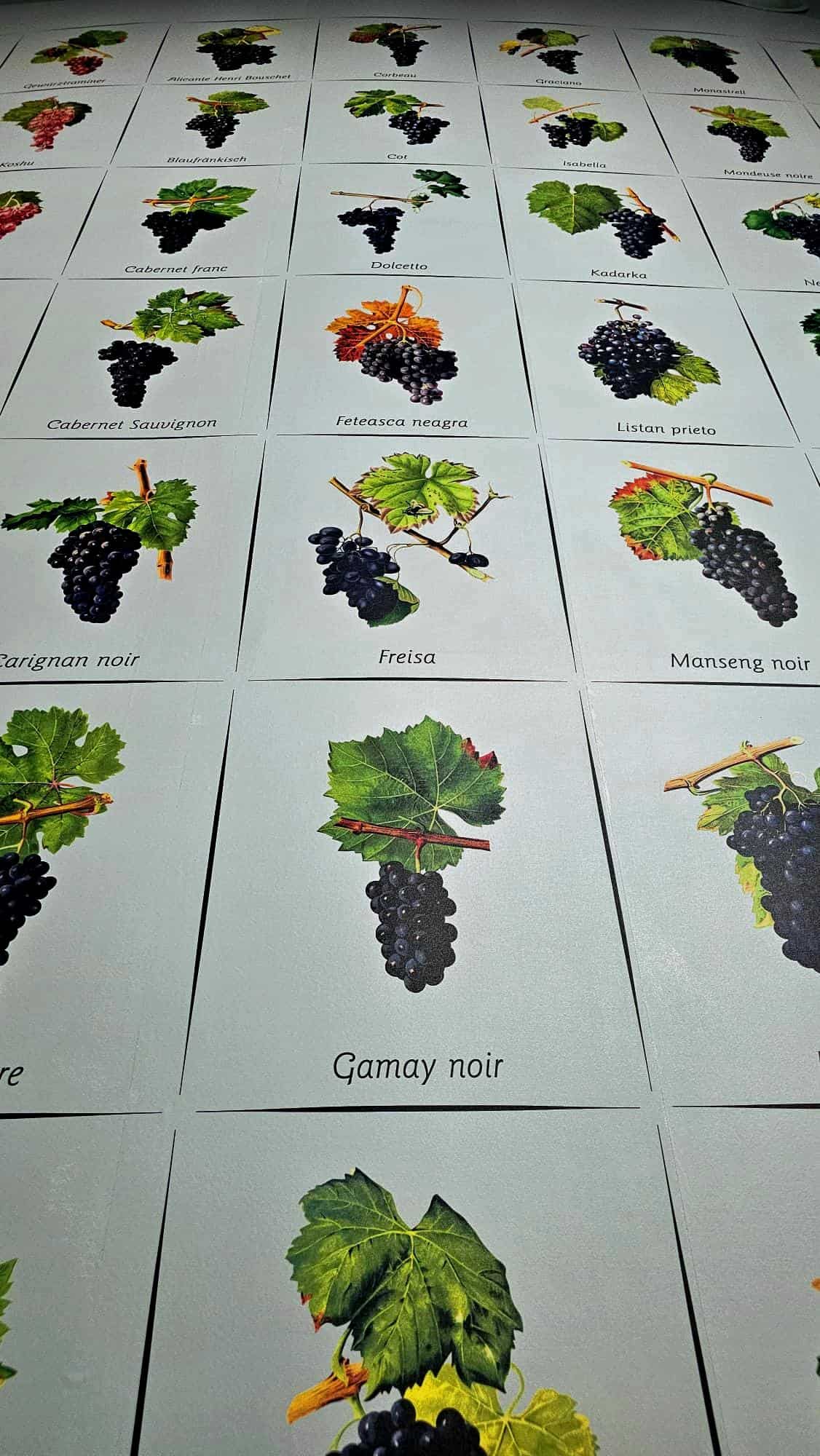
With thousands of years of savoir-faire, 50 different appellations, and more than 7,000 châteaux (vineyards), Bordeaux has earned its fame over time as the most celebrated city, if not the global capital, of wine. This “Mecca” of wine comes with so much history that it can feel overwhelming, but my goal was to visit the scene firsthand, see it with my own eyes, and build my own understanding so I could later share and explain it. I hope I succeed in what follows .So… the city is famous not only for the quality of its wines but also for its production style: the renowned “Bordeaux Blend.” This style can be spotted worldwide, even in the Republic of Moldova, namely, the mixing of multiple grape varieties, musts, or wines. In Romanian, I would translate it as “cupaj”, though when I used to think of a blend, it somehow brought to mind an unhappy mix, done solely to fix a failed wine. Well, this time, Bordeaux-style blends focus on enhancing the wine by combining several varieties to make it more complex and balanced (so absolutely no negative connotation). We are talking especially about red grape varieties, because 90% of the wines produced in the Bordeaux region are blends of reds such as Cabernet Sauvignon and Merlot, but we also encounter Cabernet Franc, and in smaller quantities Carménère (now planted massively in Chile), Malbec (repatriated to Argentina), and Petit Verdot.
LEFT or RIGHT
Before we reach the city itself, let’s get our geographic bearings again. As I mentioned in the article about Saint-Émilion, two rivers (the Dordogne and the Garonne) converge into an estuary (the Gironde) that finally empties into the Atlantic Ocean. All this water leaves a deep imprint on the landscape and soil, and it is here that one of the world’s most famous (and now most widely planted) grape varieties was born: Cabernet Sauvignon.
In short:
- Cabernet Sauvignon loves heat and well-drained soil, so it dominates the blends on the left bank (southwest of the Garonne, where gravel is abundant). Remember three key appellations: Graves, Médoc, and Pessac-Léognan.
- The Merlot empire rules the right bank (northeast of the Dordogne) thanks to sandy, limestone-rich soil, cooler weather, and more rainfall. The standout appellation is Saint-Émilion, the first in Bordeaux to be documented all the way back in Roman times.
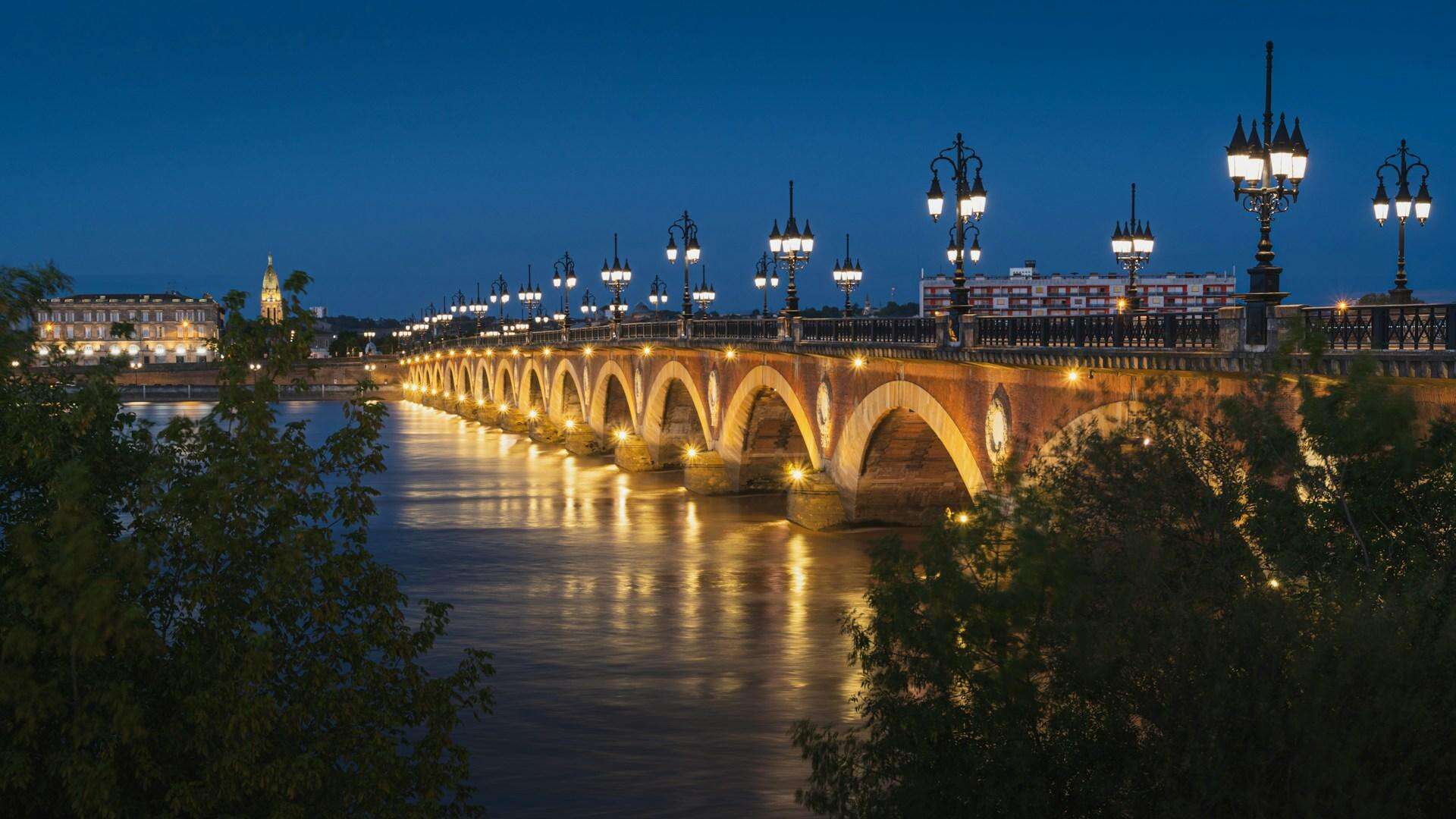
Bordeaux : Pont de pierre
Once Upon a Time, There Was a Swamp…
More precisely, the left bank was originally flat, marshy land that didn’t seem to hold much promise, with one small exception: Graves. This area produced a lighter wine called “Claret,” which enjoyed huge success between the 12th and 15th centuries, when the region was under English rule.
What a Strategic Marriage Can Do…
Because, in the end, if it weren’t for the union between Eleanor of Aquitaine and Henry Plantagenet, I don’t think we’d have nearly as much to say about Bordeaux. Thanks to efficient trade routes and minimal or nonexistent taxes, Bordeaux wines reached England, and from England, the rest of the world. The fame spread, and all of medieval Europe had heard of Bordeaux.Fast-forward a few centuries, and the Dutch enter the scene. With their drainage expertise (let’s not forget the innovative Dutch spirit that expanded their country’s territory by 20% through reclamation), the land was cleared and vines were planted. Bonjour, Médoc! 
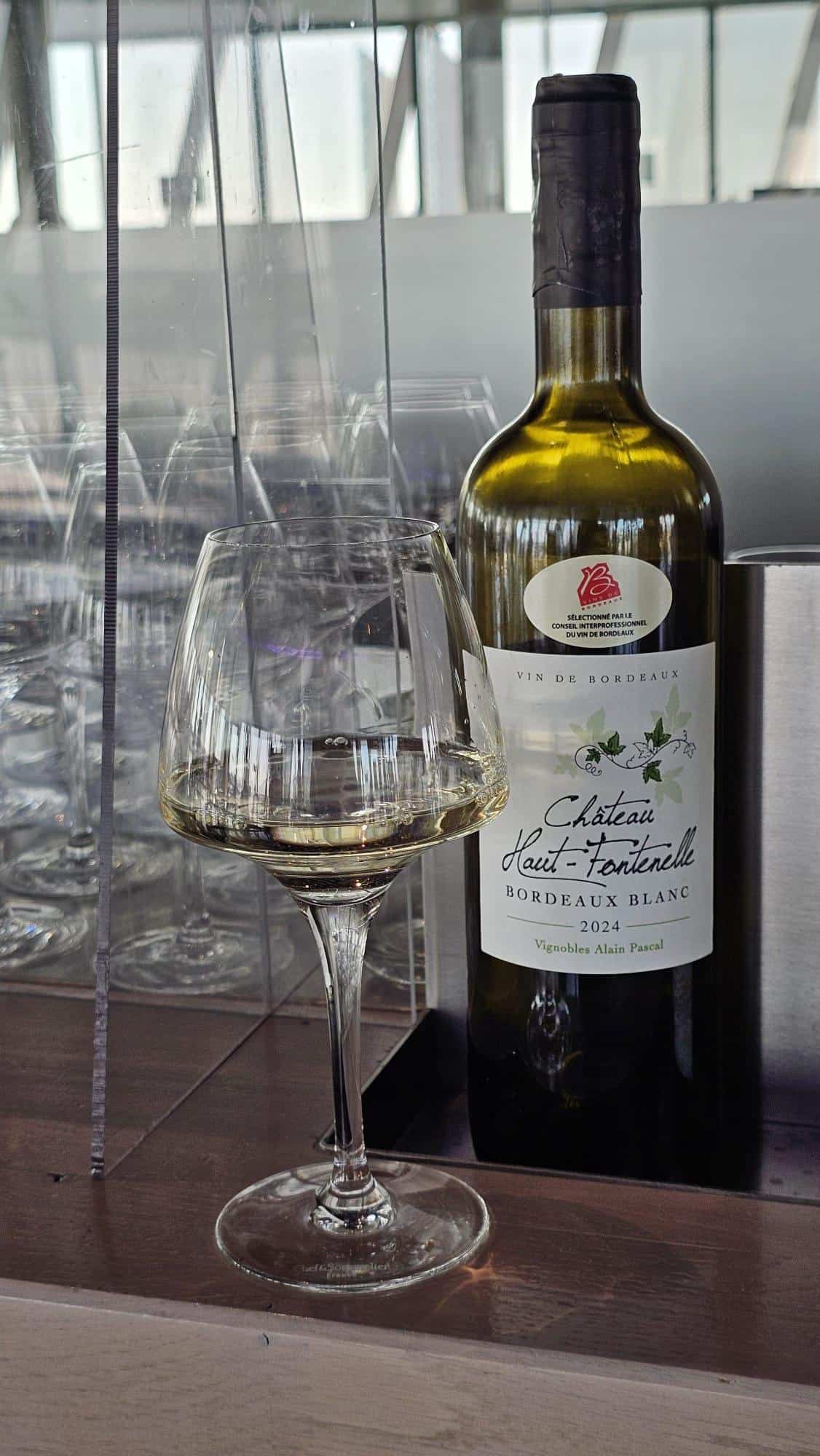
Pessac-Léognan, the third and final left-bank appellation, is so close to the city of Bordeaux that you can easily get there by tram or Uber from the center, right up to the vines of Château Haut-Brion. I mention this château because it played a key role in “influencing,” namely in officially establishing the Pessac-Léognan appellation in 1855, a landmark year for French wine classification (the estate is breathtakingly beautiful, and we were lucky enough to visit it).
Switching Sides, the right bank offers a completely different picture. As I explained in the article about Saint-Émilion, the terrain here is elevated, with hills, clay, and limestone, the perfect ingredients for more demanding grape varieties like Merlot.Though the number of châteaux and vineyards is higher, appellation-wise, there is only one: Saint-Émilion, which actually includes the main village and four adjacent satellite villages: Lussac-Saint-Émilion, Montagne-Saint-Émilion, Puisseguin-Saint-Émilion, and Saint-Georges-Saint-Émilion.
In conclusion, Bordeaux, with all its appellations spread across 120,000 hectares, produces an average of over 700 million bottles of wine annually, equivalent to about 5 million hectoliters.
Bordeaux (…the city)
What you see today is a small, charming town (legend has it that it even rivals Paris  ) with a blend of Gothic and Baroque architecture, wide boulevards, some of the finest restaurants and bistros, chic boutiques and cafés, plenty of young people, and lovely promenades.
It’s impossible not to fall in love with Bordeaux, especially after dusk, when the city prepares for apéros and the atmosphere feels like a scene straight out of a film.
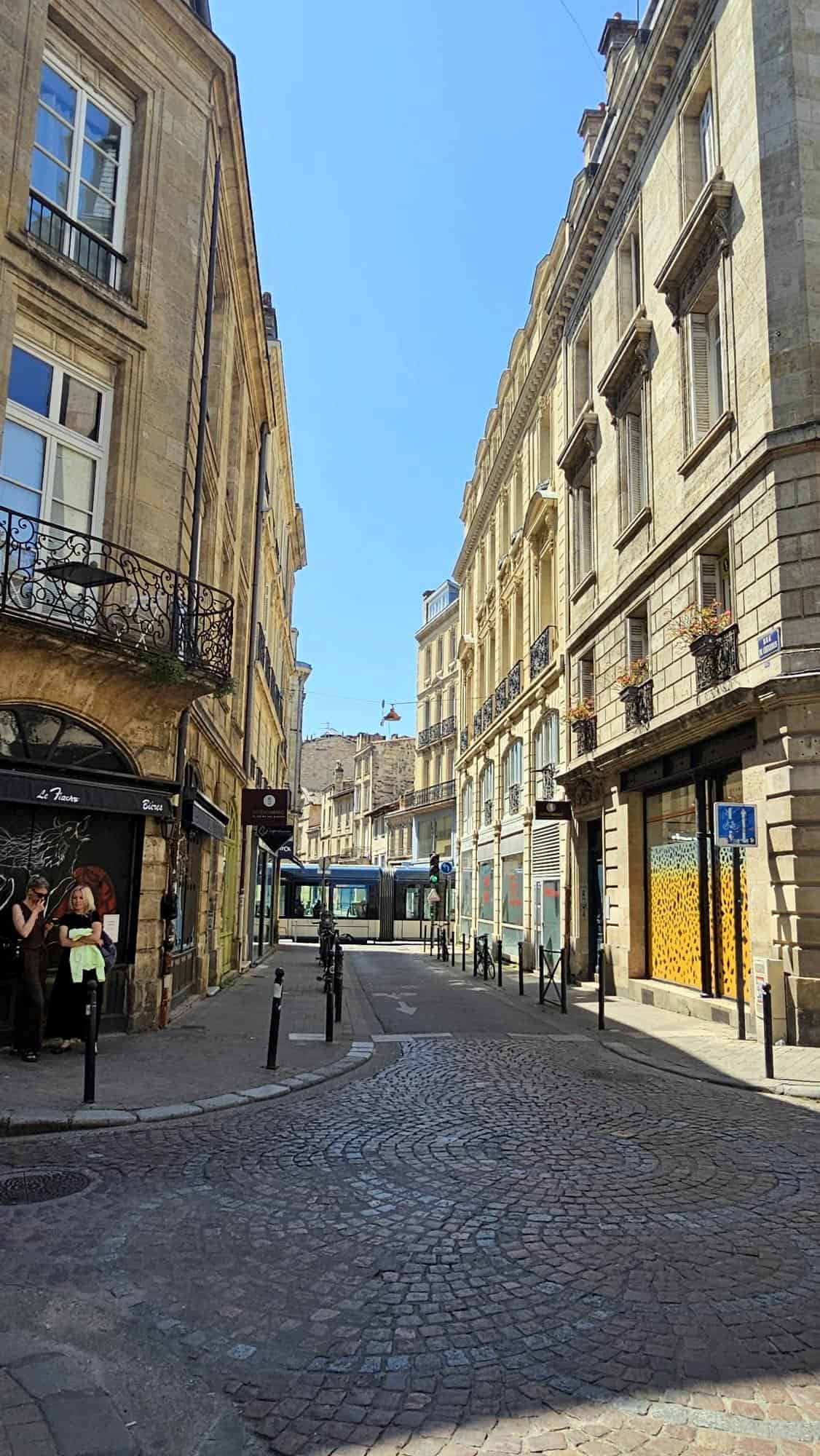
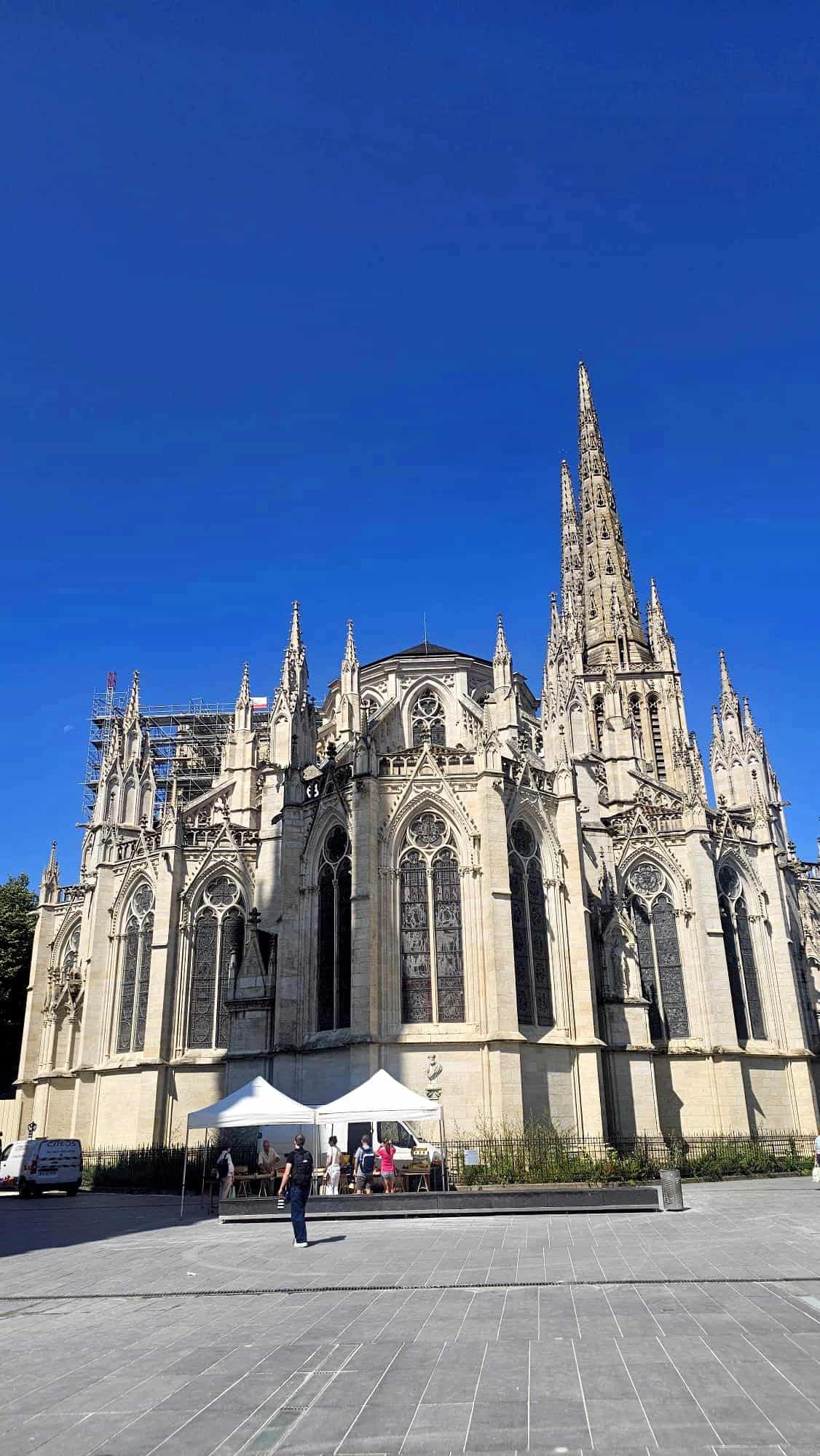
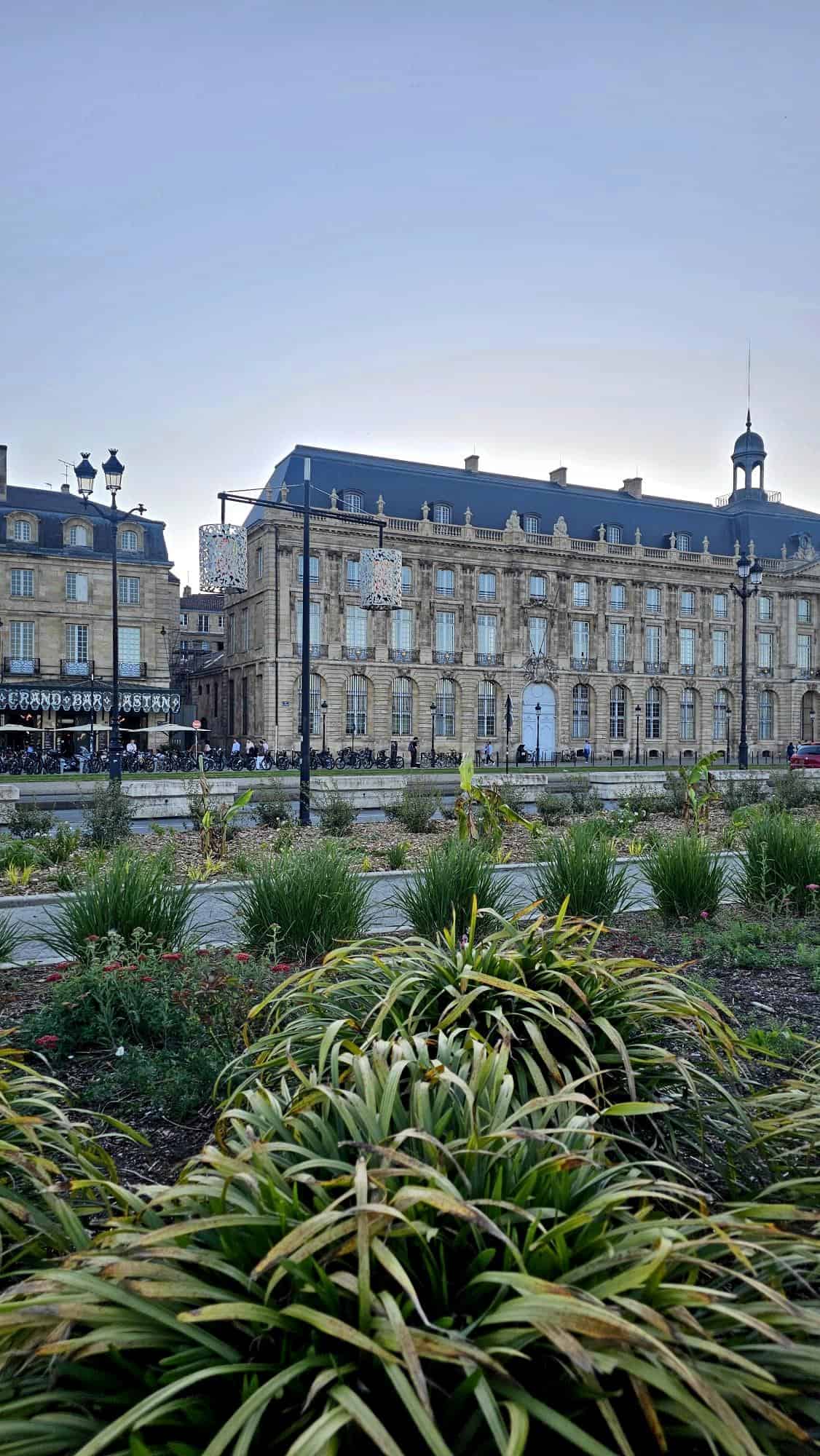
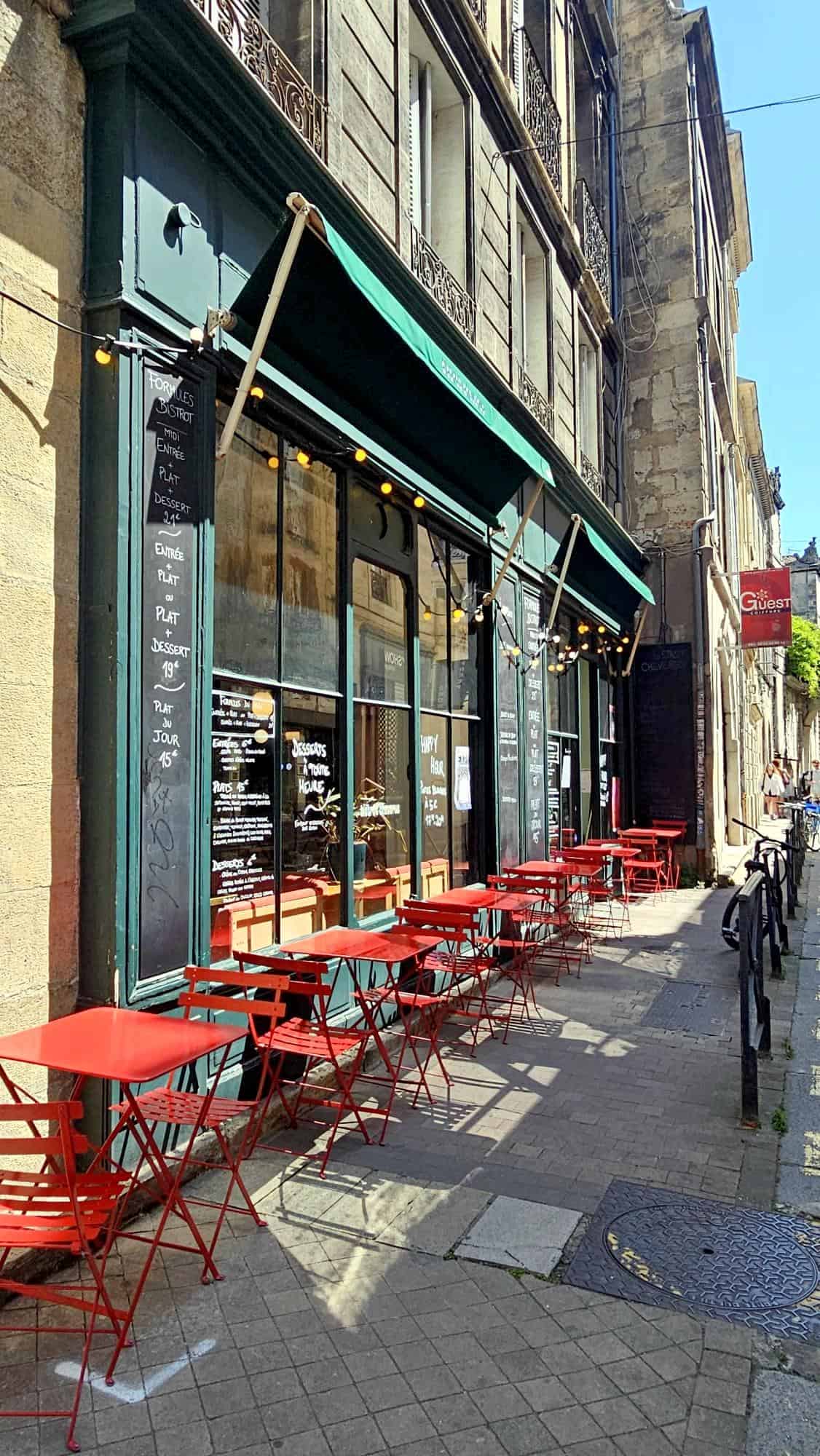
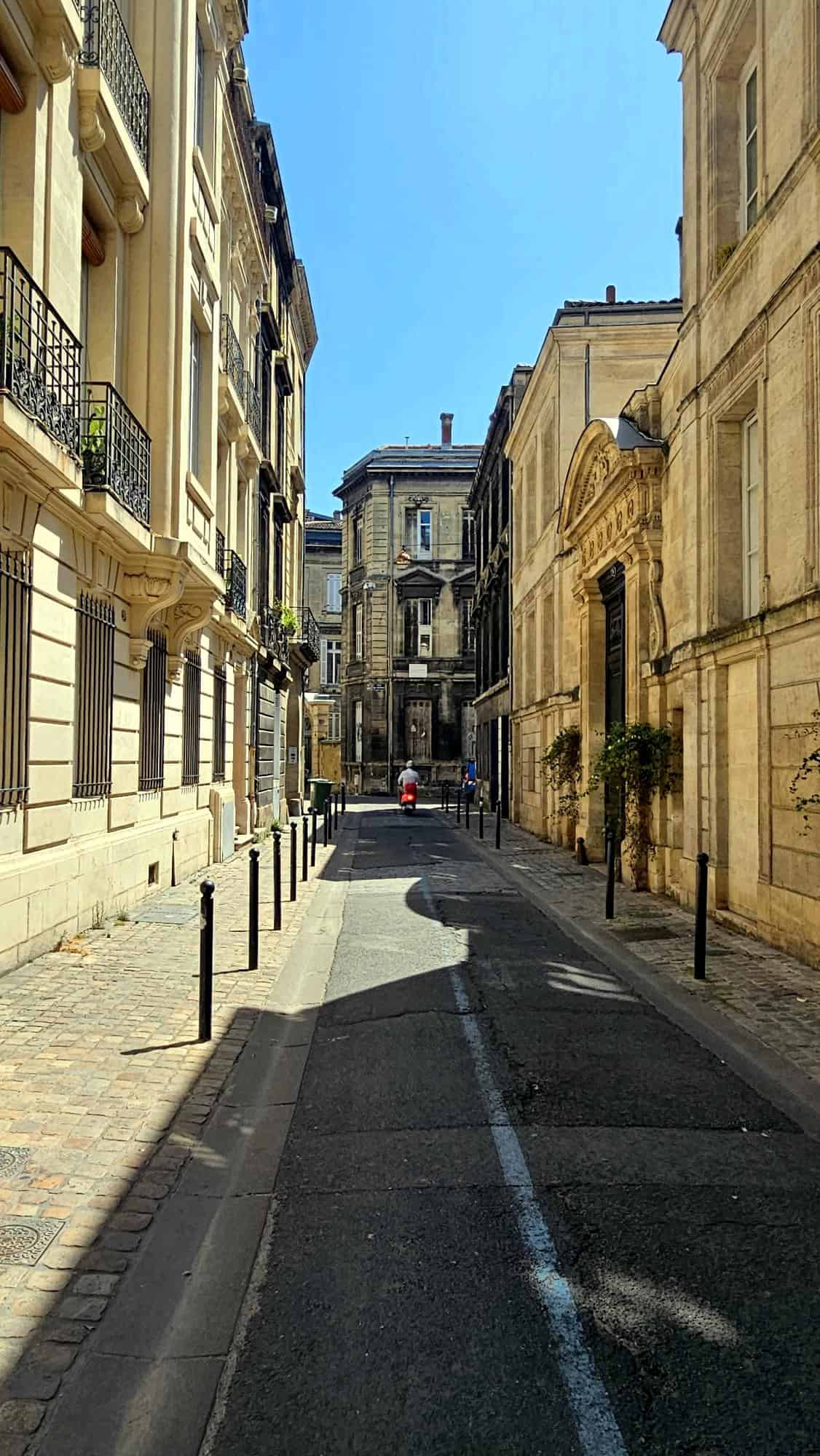
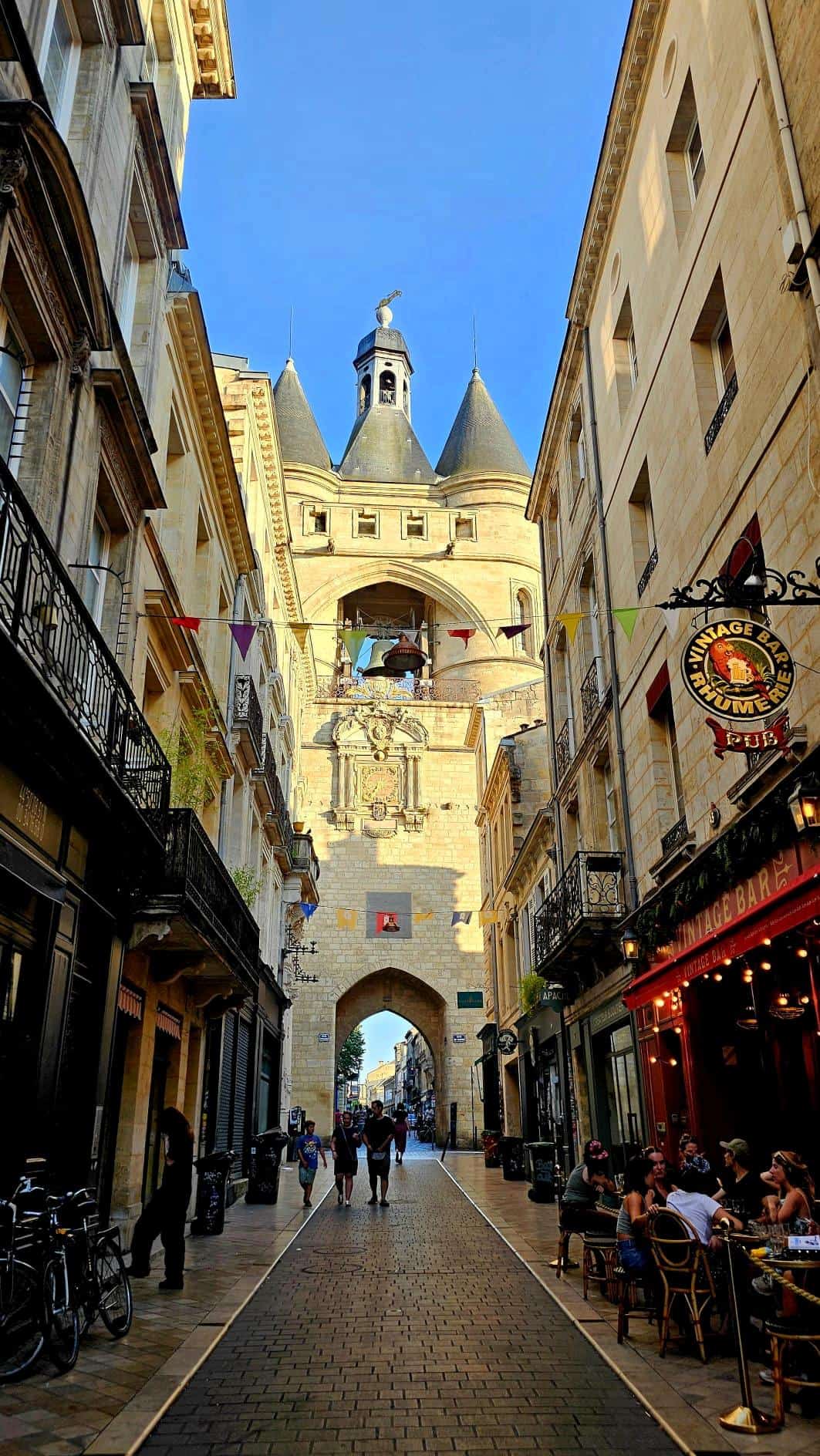
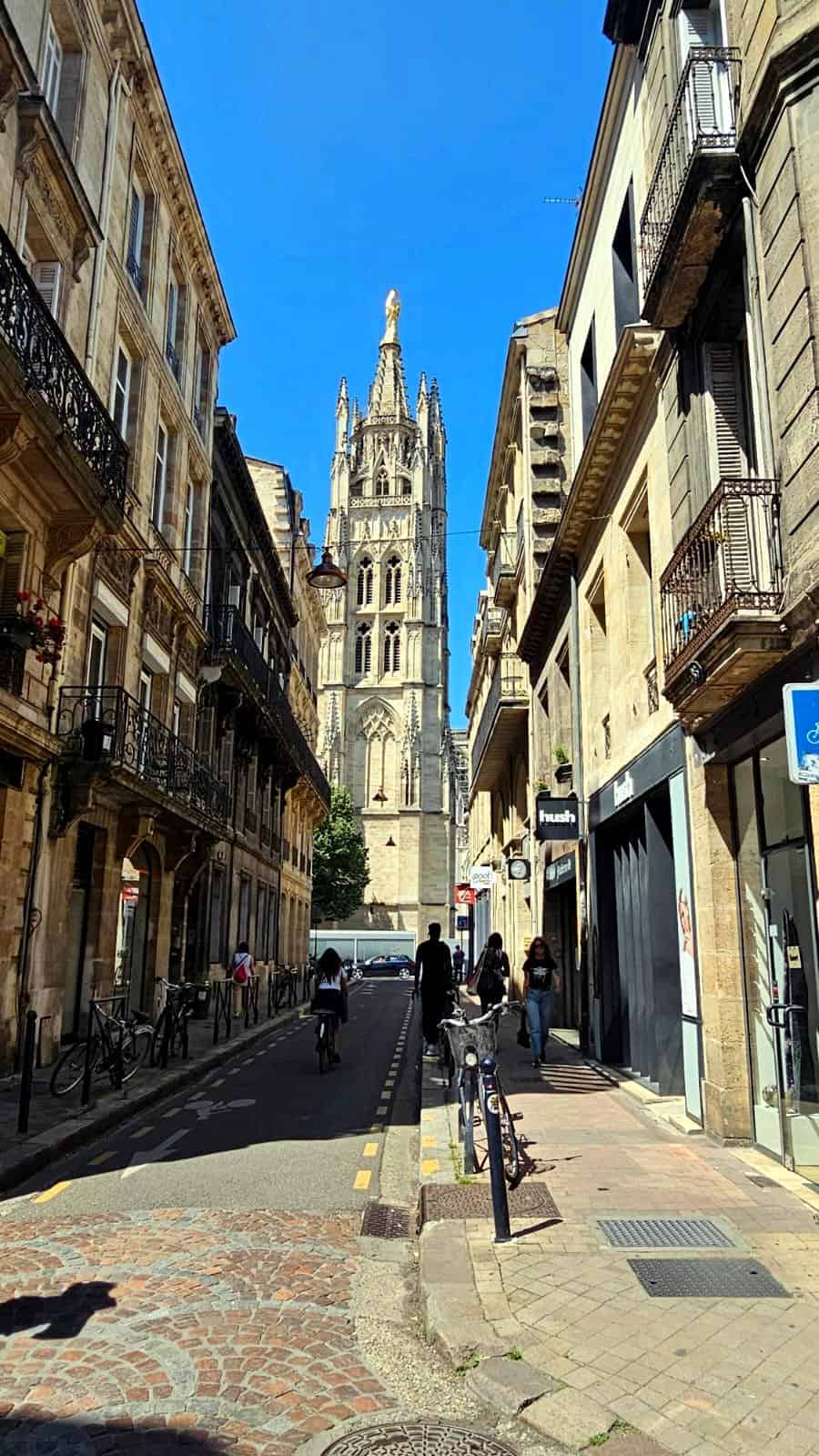
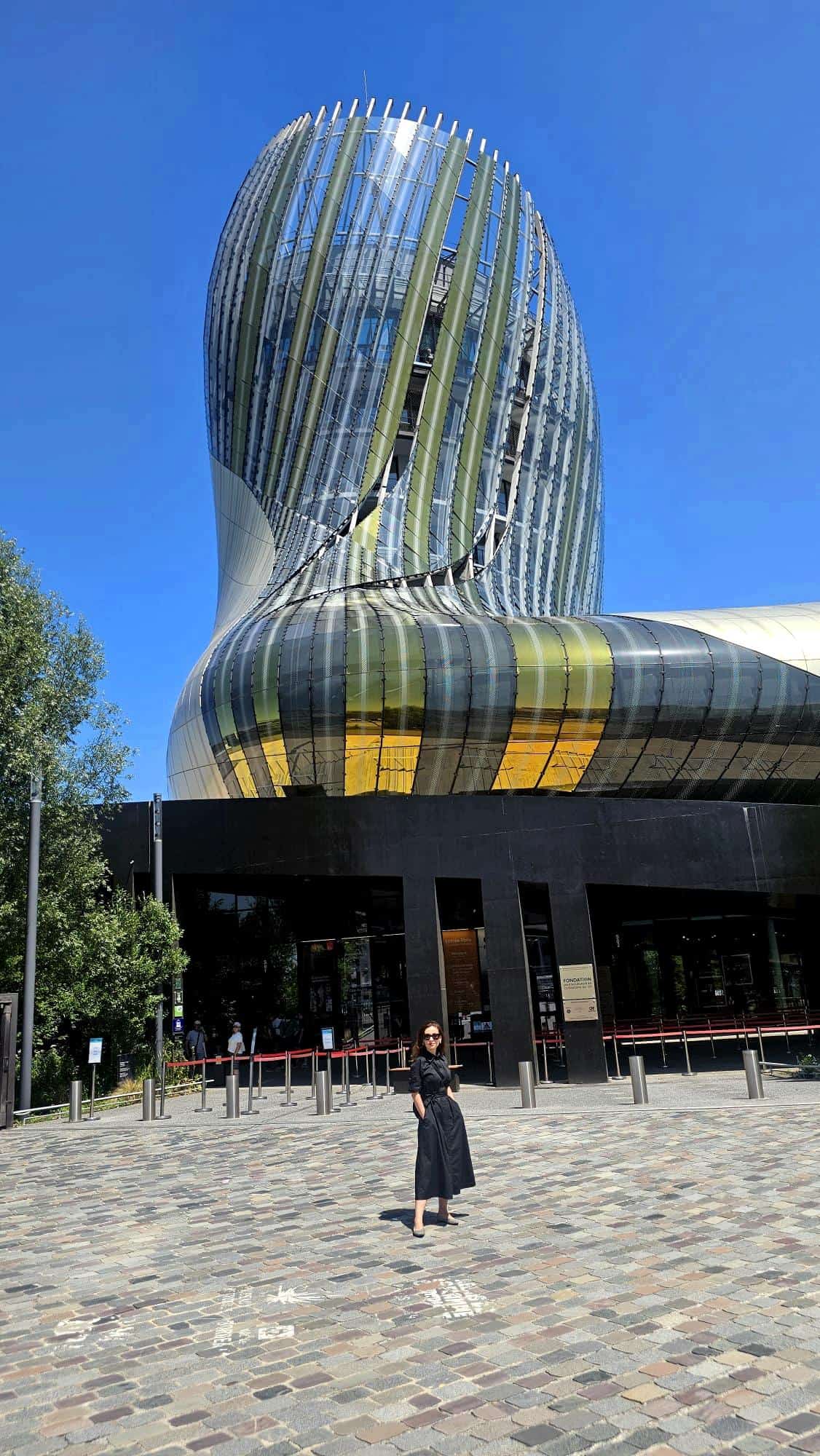
But… we learned from locals that it wasn’t always so charming. The city’s most iconic landmarks , Place de la Victoire, Grosse Cloche, Place Pey-Berland, Porte Cailhau, and Cathédrale Saint-André — were in an advanced state of disrepair. Only after intense, repeated restoration and even a thorough “cleaning” do the facades now look worthy of welcoming and delighting both tourists and locals alike. Believe it or not, on my very first (and very short) visit to Bordeaux, I had just one goal: to reach the Cité du Vin museum.
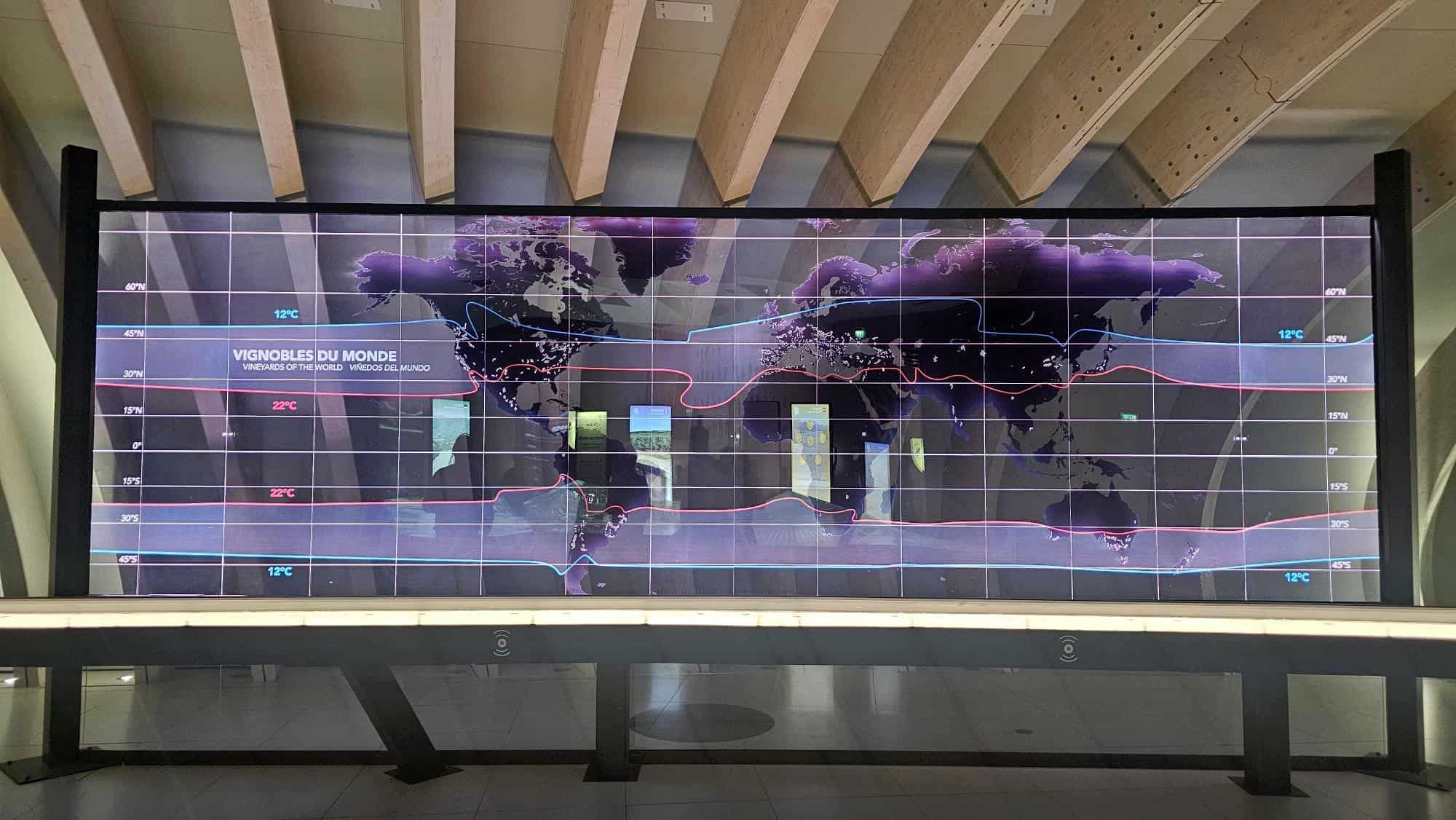
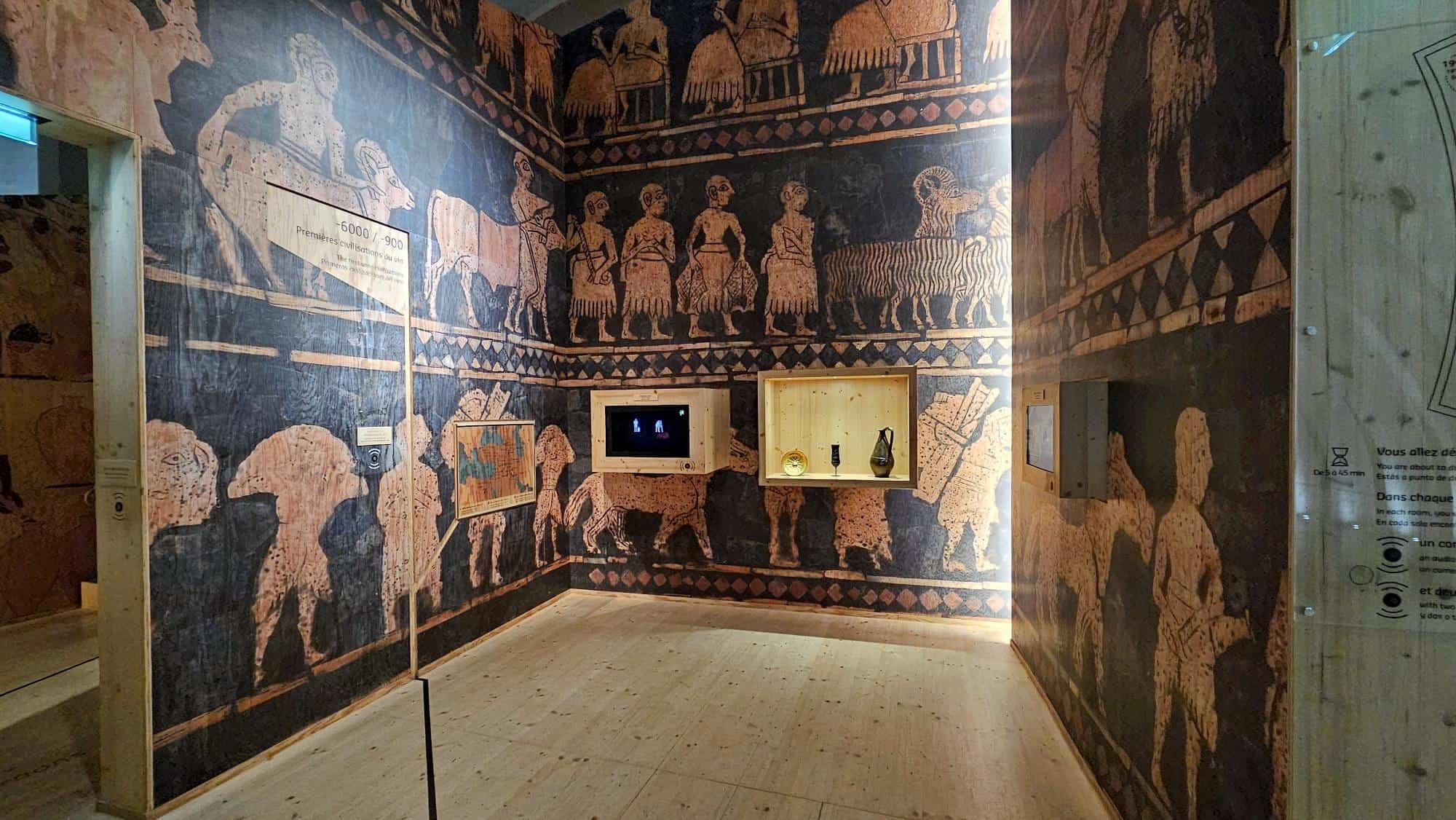
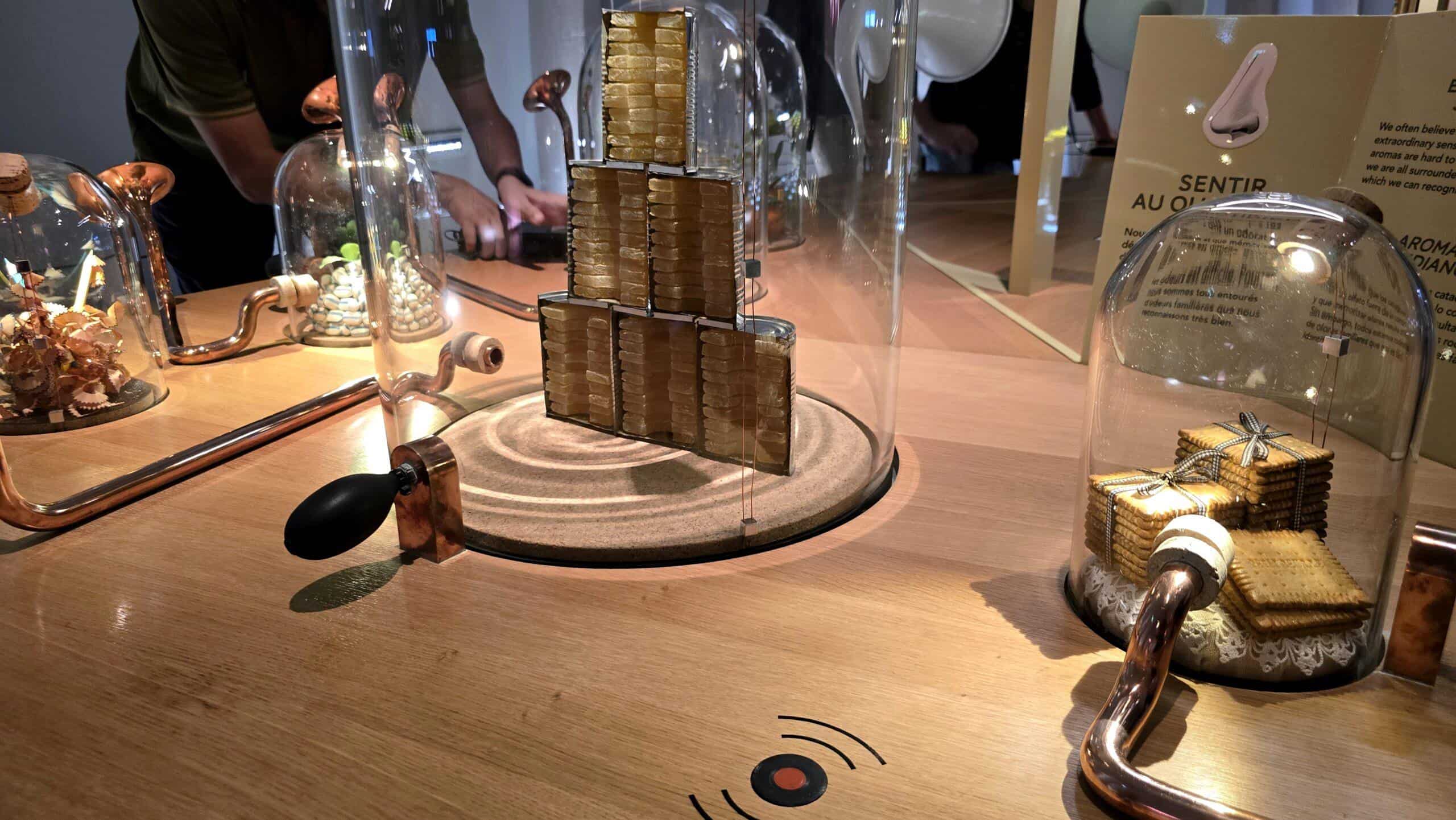
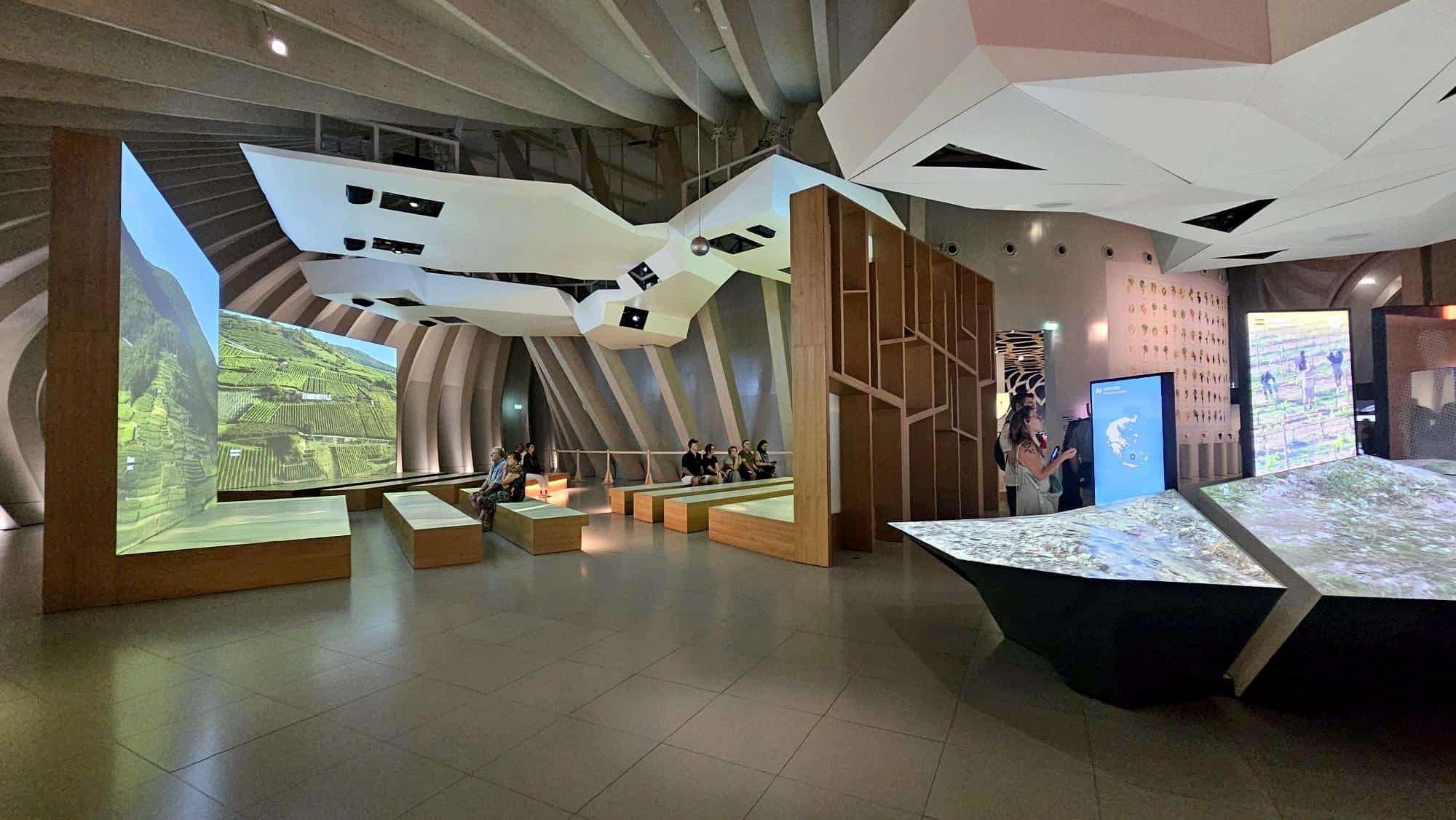
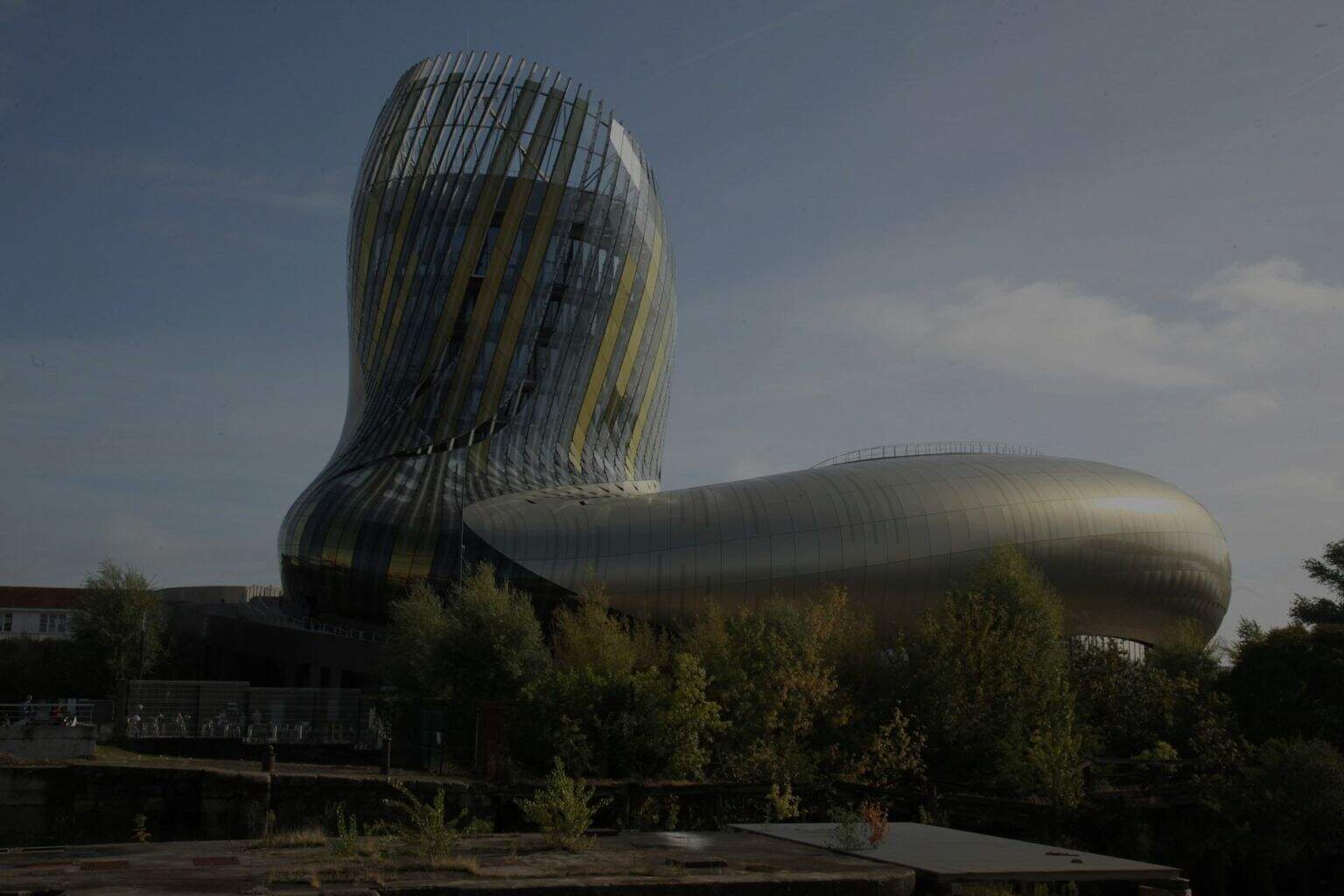
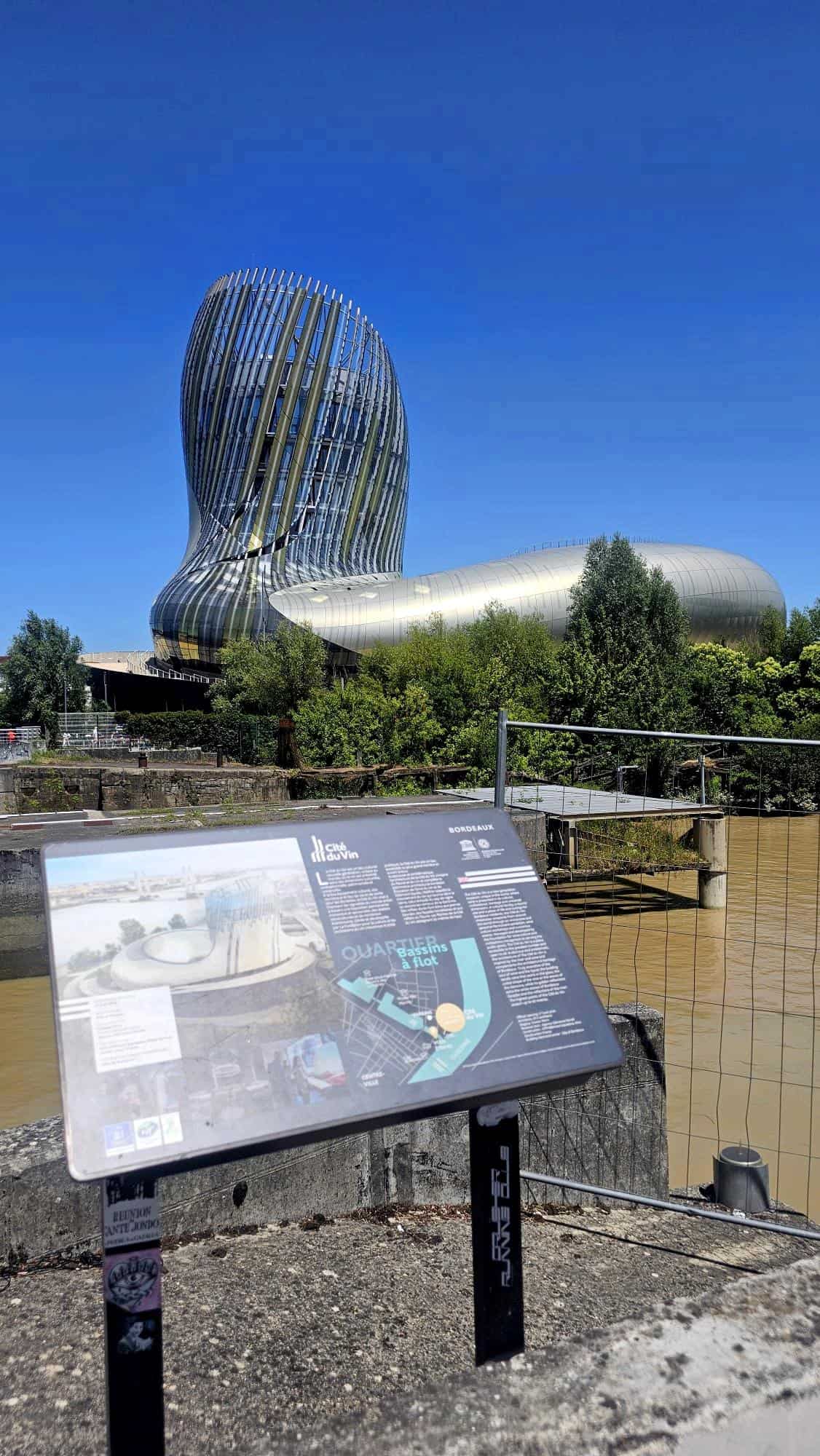
It officially enters our top 3 coolest museums visited so far (first place still belongs to the Spy Museum in Berlin, followed by the Military Museum in Malta). It attracts not only wine enthusiasts but also teenagers and even children, thanks to its highly interactive and sensory design. The museum is not located in the historic center (we recommend taking the tram), but on the banks of the Garonne River in the Bacalan district, a former industrial and port hub.
Cité du Vin
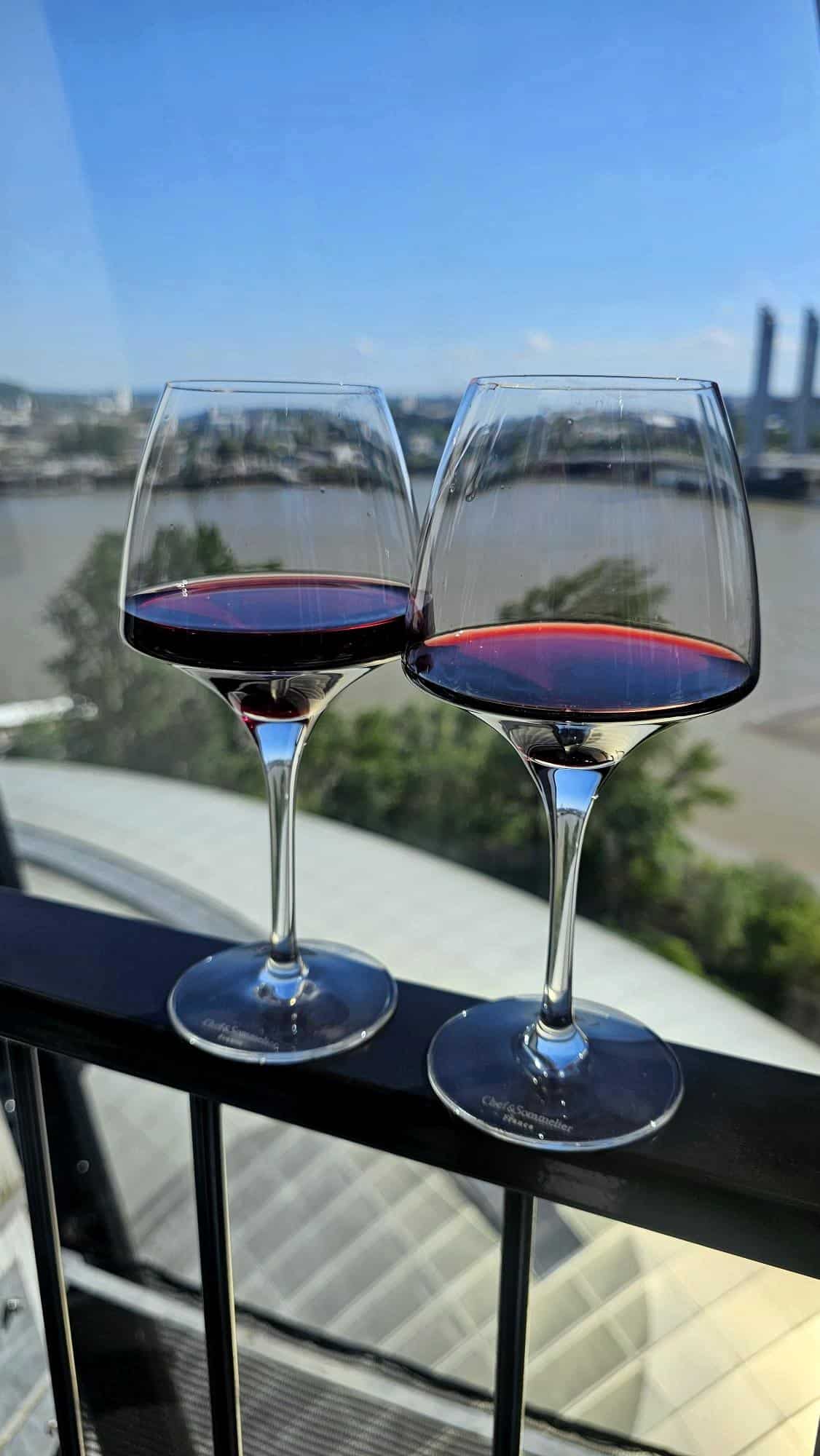
Officially opened in 2016, stands out with its unique architectural shape. I would say it resembles a “decanter” designed to mimic the “swirling” motion of wine in a glass. You can easily spend 4 hours inside thanks to interactive panels and maps, games, olfactory experiments, and various tasting workshops and conferences. To crown the visit, enjoy dinner (ideally at sunset) in the museum’s restaurant or savor a glass of wine (included in the ticket price  ) at the “Belvédère” on the top floor, which offers a stunning panoramic view of the city.
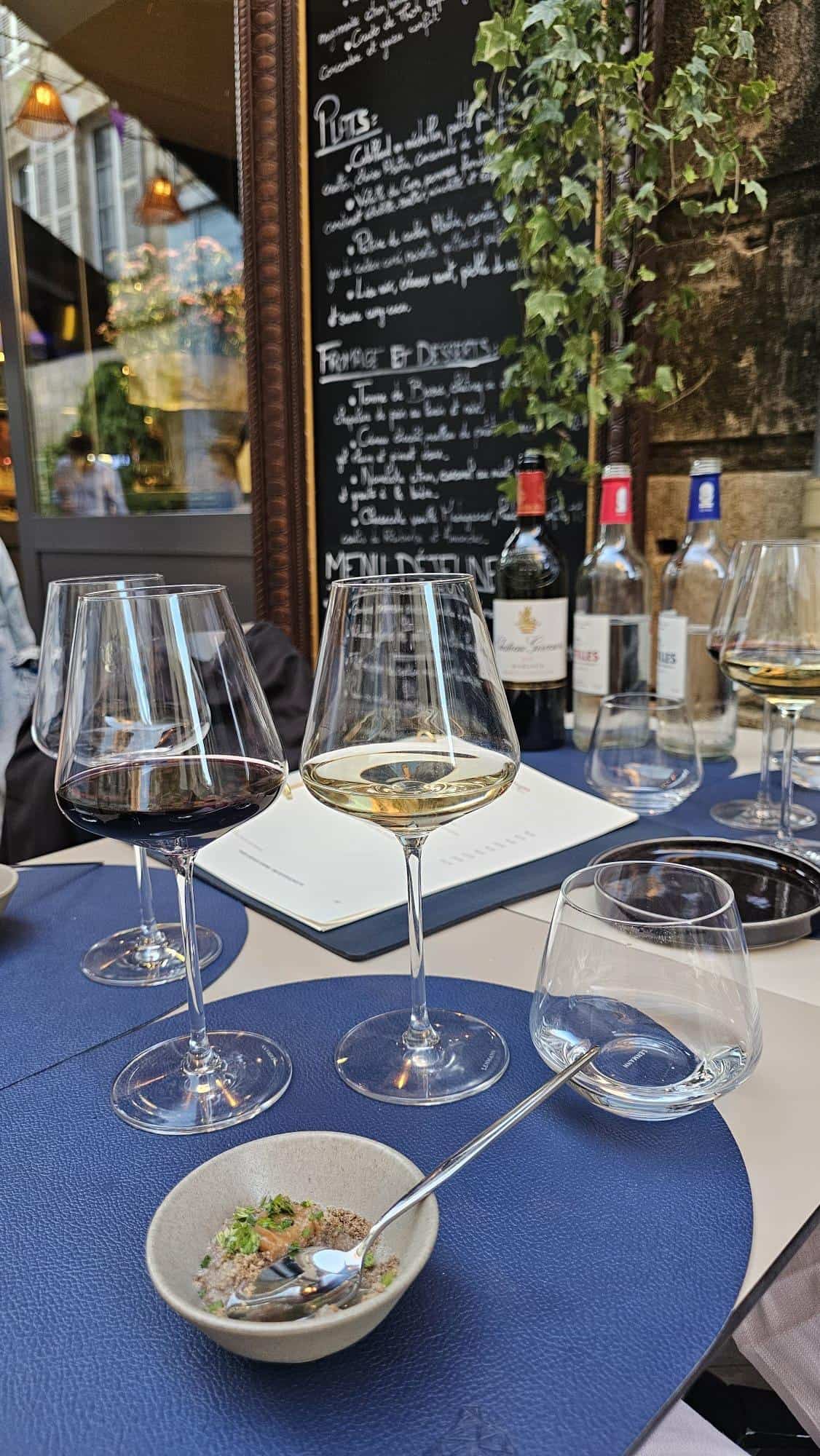
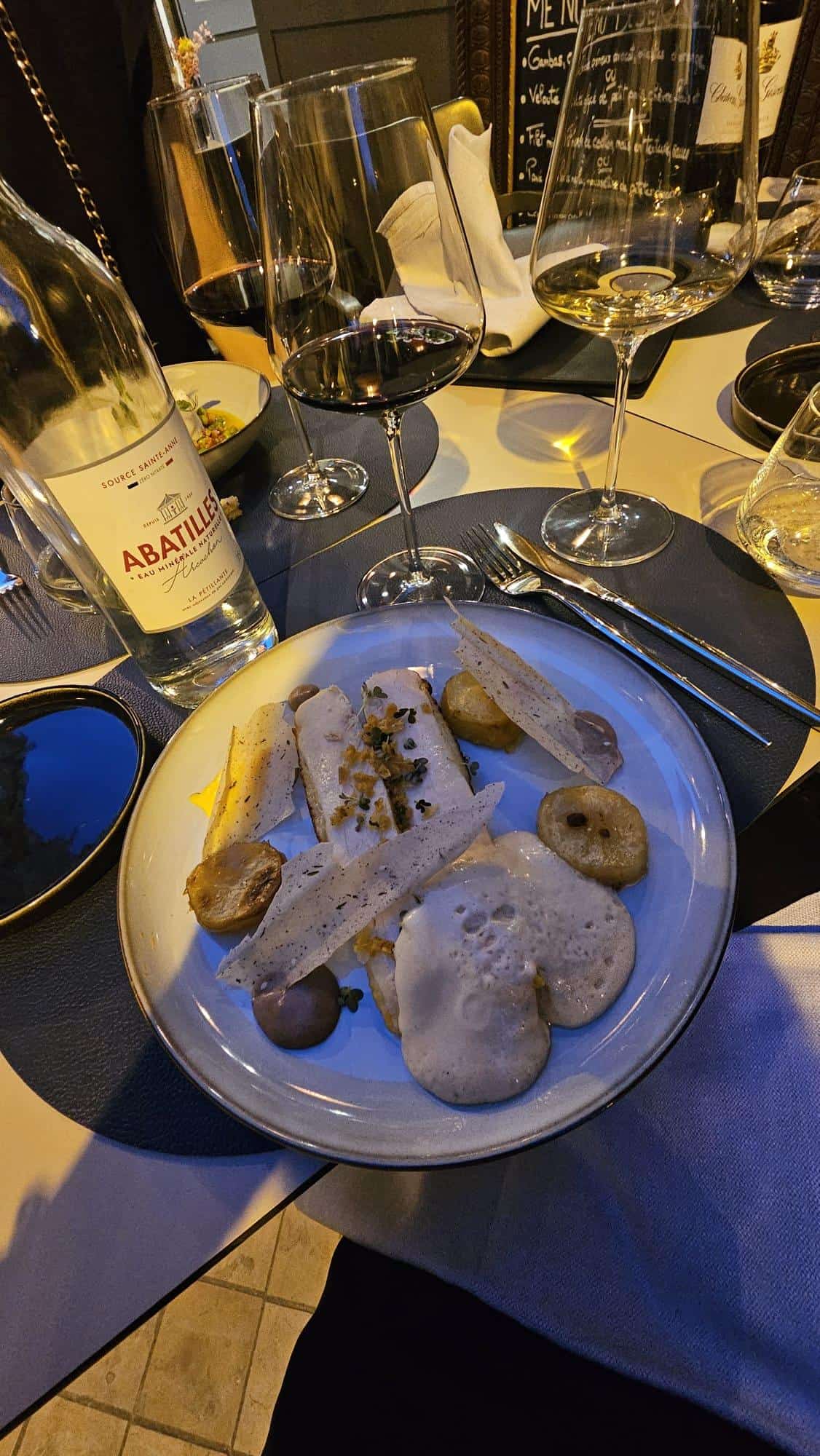
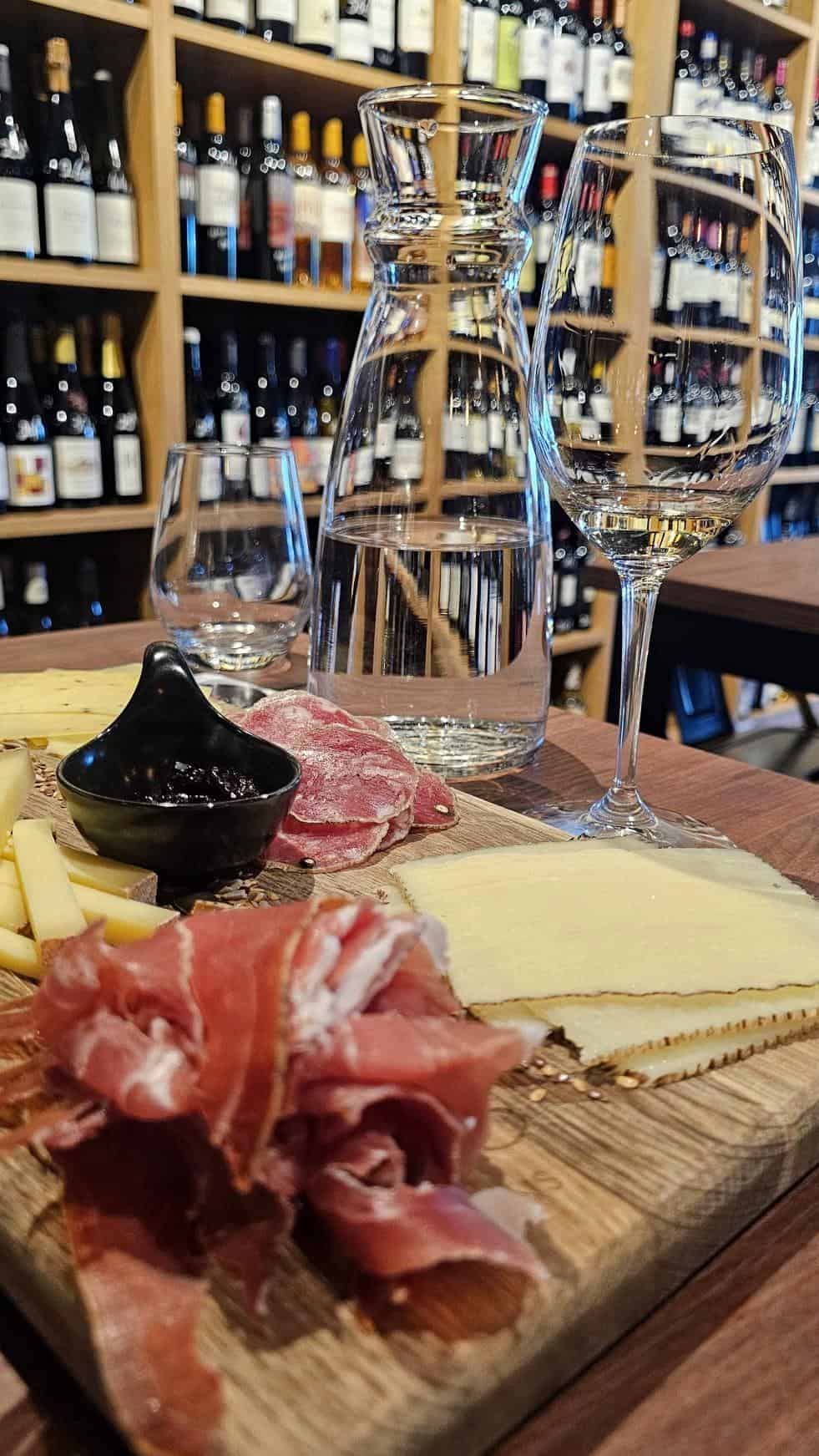
At dusk, we chose to walk back to the city center and feel the pulse of the Bacalan neighborhood, a blend of port nostalgia and urban elements. Proof of this is the creative transformation of the old docks into cafés, shops, and restaurants. Toward the end of our walk, we arrived at Les Sobres Chartrons, a wine bar we had thoroughly researched, right in the heart of Bordeaux, across from the Garonne. We went for a light dinner, a charcuterie board, paired with wines from their self-service dispensers. At the end, I dared to guess the “mystery bottle.” To my excitement, which lasted for days, I correctly identified a cool-climate Pinot Noir… from Germany  .
.
The wine selection, both from Bordeaux and beyond, is impressive, the atmosphere is relaxed and chill, and the location is 10/10.
Overall, the city is magical ️.
️.
We will definitely return to check off Jardin Public, the Botanical Garden, Darwin, and Miroir d’Eau. Unfortunately, we didn’t have enough time to explore them this time.
Tips, Hints, etc.
- As in our other articles, we repeat the importance of checking weekends and holidays… in France they are sacred

- France prides itself on many things, but not necessarily coffee… until we reached Bordeaux (probably thanks to the large student population) and discovered specialty cafés that impressed us… one of them being L’Alchimiste
- Hotels can be quite expensive, so we chose central B&B style apartments instead. That said, Mama Shelter, which I briefly visited on another occasion, left a strong impression and boasts one of the coolest rooftop bars in Bordeaux (super tip )
- English is much more common here, especially in the central area, so no worries
- We recommend getting a day pass and exploring the city using public transport… we tested the tram and it was not only very convenient and fast but also saved us a significant amount, especially coming from the airport to the city center
- You absolutely must try Bordeaux’s famous pastry: Canelé. This dessert has its roots in the wine industry, in a way. To clarify red wines (a process called “fining”), egg whites are used… and since we’re talking about Bordeaux, that means industrial quantities of eggs, hence egg whites. Everything’s fine, but what do you do with all those leftover yolks? Enter: Canelé , a dessert created (according to legend, by a convent of nuns in the 15th century) from egg yolks, sugar, and flour, delicately flavored with vanilla and rum, originally distributed to the poor. A must try!

 )
) , a dessert created (according to legend, by a convent of nuns in the 15th century) from egg yolks, sugar, and flour, delicately flavored with vanilla and rum, originally distributed to the poor. A must try!
You’ll find plenty of wine bars and wine shops where you can pick up the most iconic souvenirs  (we recommend avoiding the airport… high prices, low variety), so here are a few tips:
- The best vintages are generally every five years (according to wineries and vineyards), such as 2010, 2015, 2020, etc., but also worth checking out: 1998, 2008, and 2009
- Opt for a red blend (based on Merlot or Cabernet Sauvignon) or a white blend (based on Sauvignon Blanc and Sémillon, or with Muscadelle). Note: you won’t see the grape varieties on the label. The easiest way is to use the Vivino app, ask the staff, or simply remember a few famous villages: from the left bank (Pauillac, Saint-Estèphe, Saint-Julien, Margaux, Pessac-Léognan), the right bank (Saint-Émilion and Pomerol), or “in between” from the Entre-Deux-Mers area.