DEALU MARE
on the Romanian wine road
If the first two escapades (LacertA and Tohani) targeted Dealu Mare right from the start, this time our initial plan was to head to Dobrogea, more precisely to Cernavodă at Crama Rasova, on a Saturday.
The itinerary changed after I thought it’d be smart to call Rasova ahead for a tasting reservation. The surprise? They have reduced hours on Saturdays, officially until 4 PM, and if no clients show, they don’t mind closing early  . I quickly calculated the hyper-early departure time needed to arrive an hour before the tasting and reconfigured the entire route.
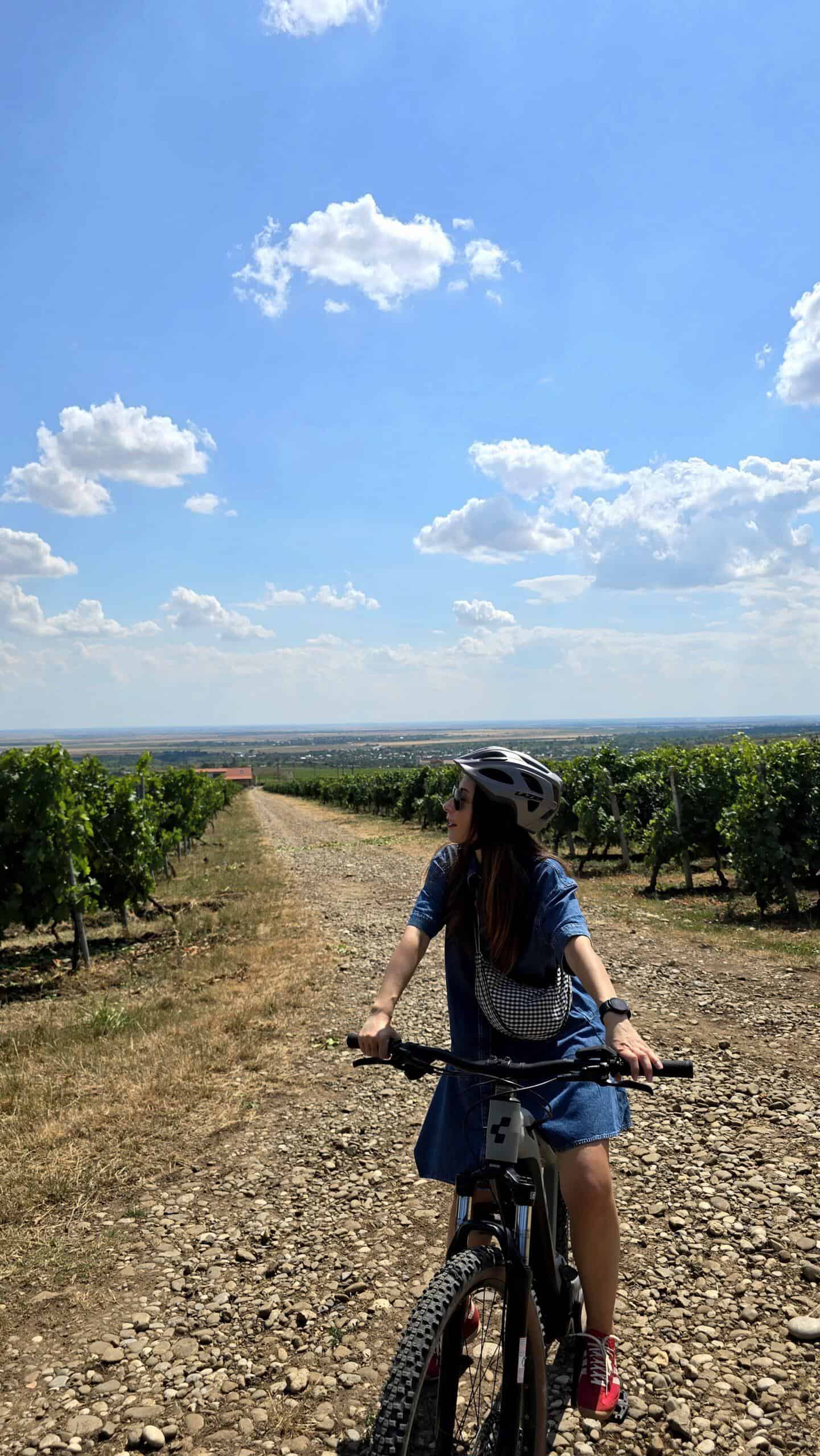
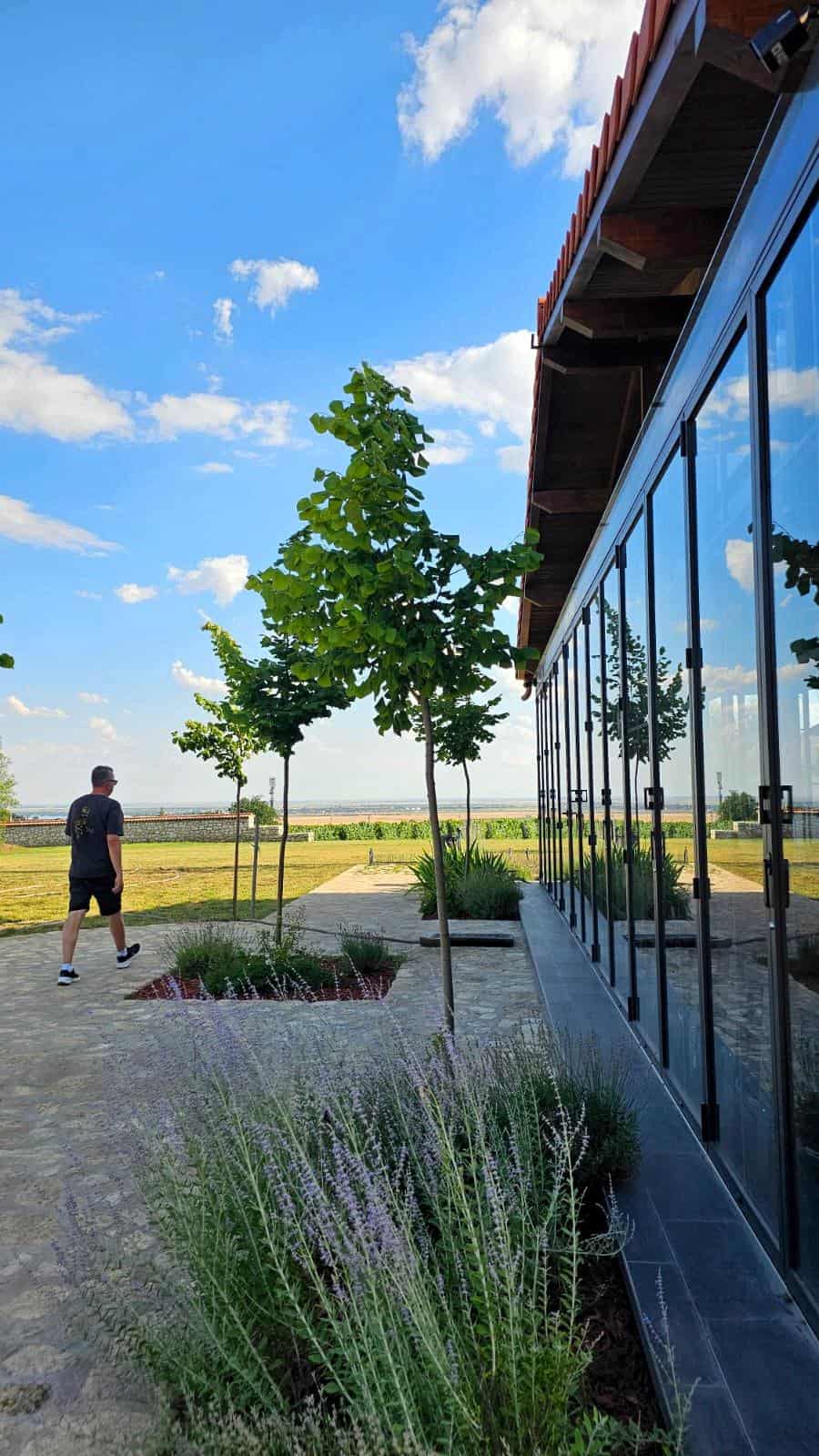
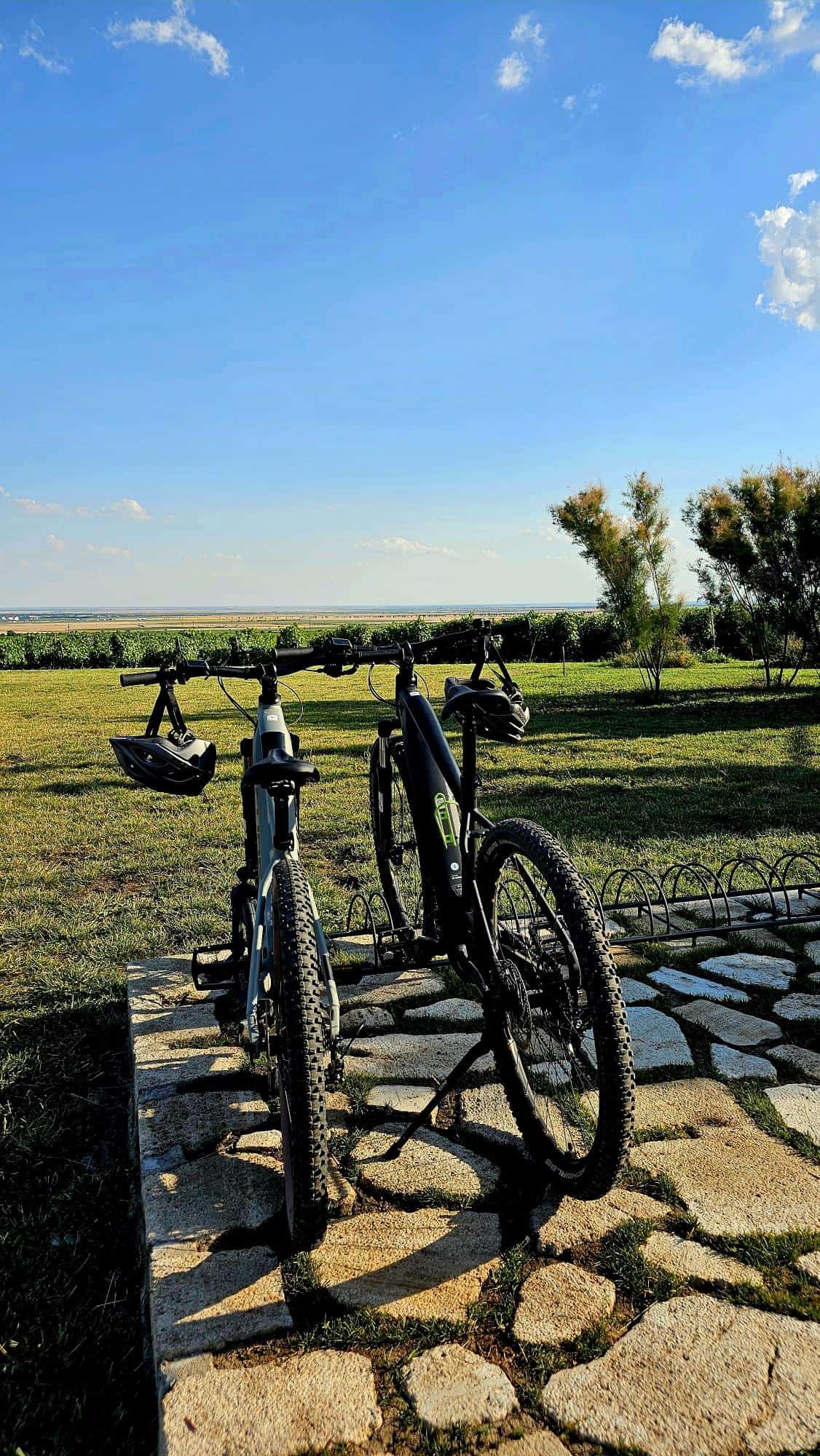
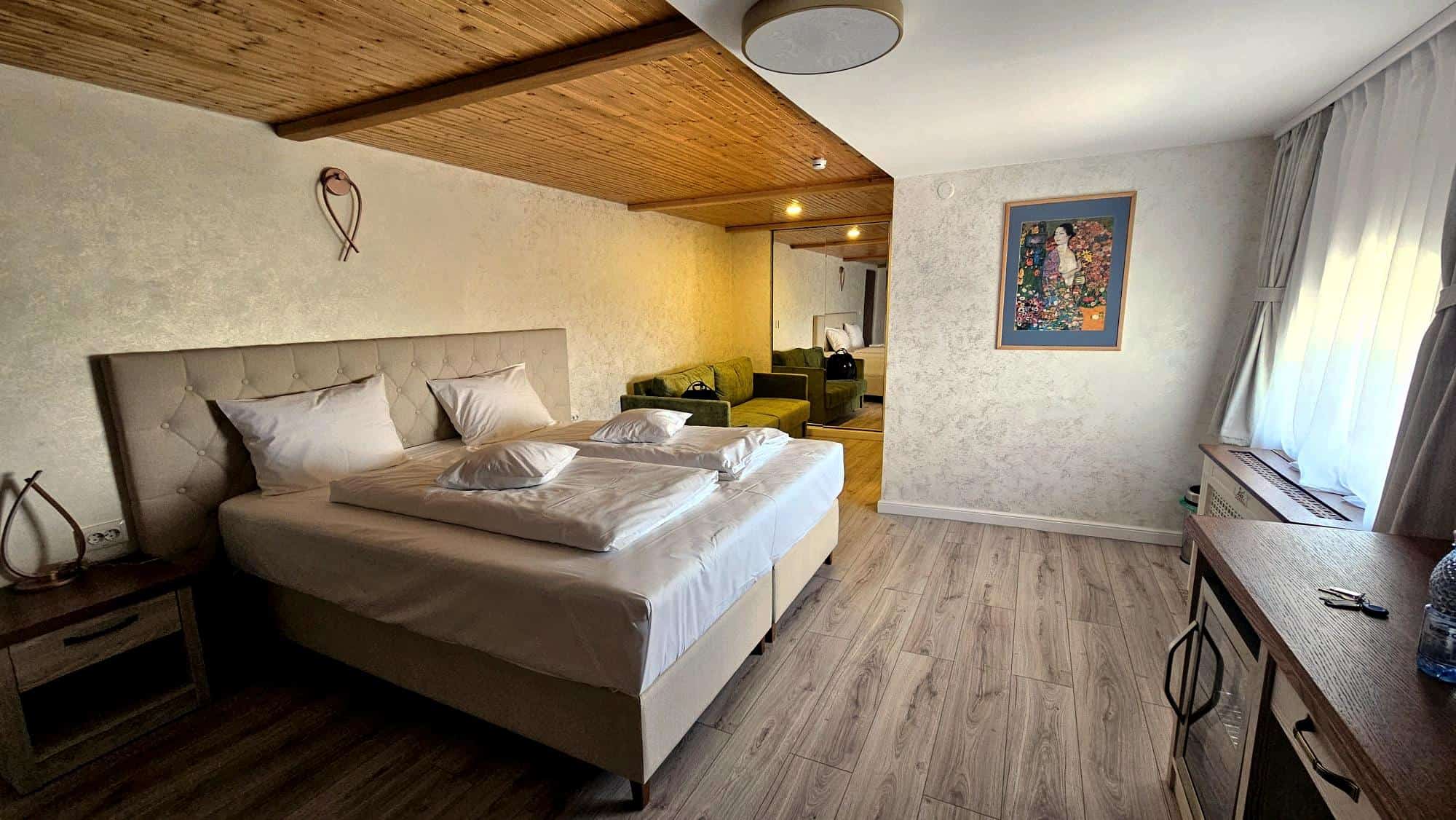
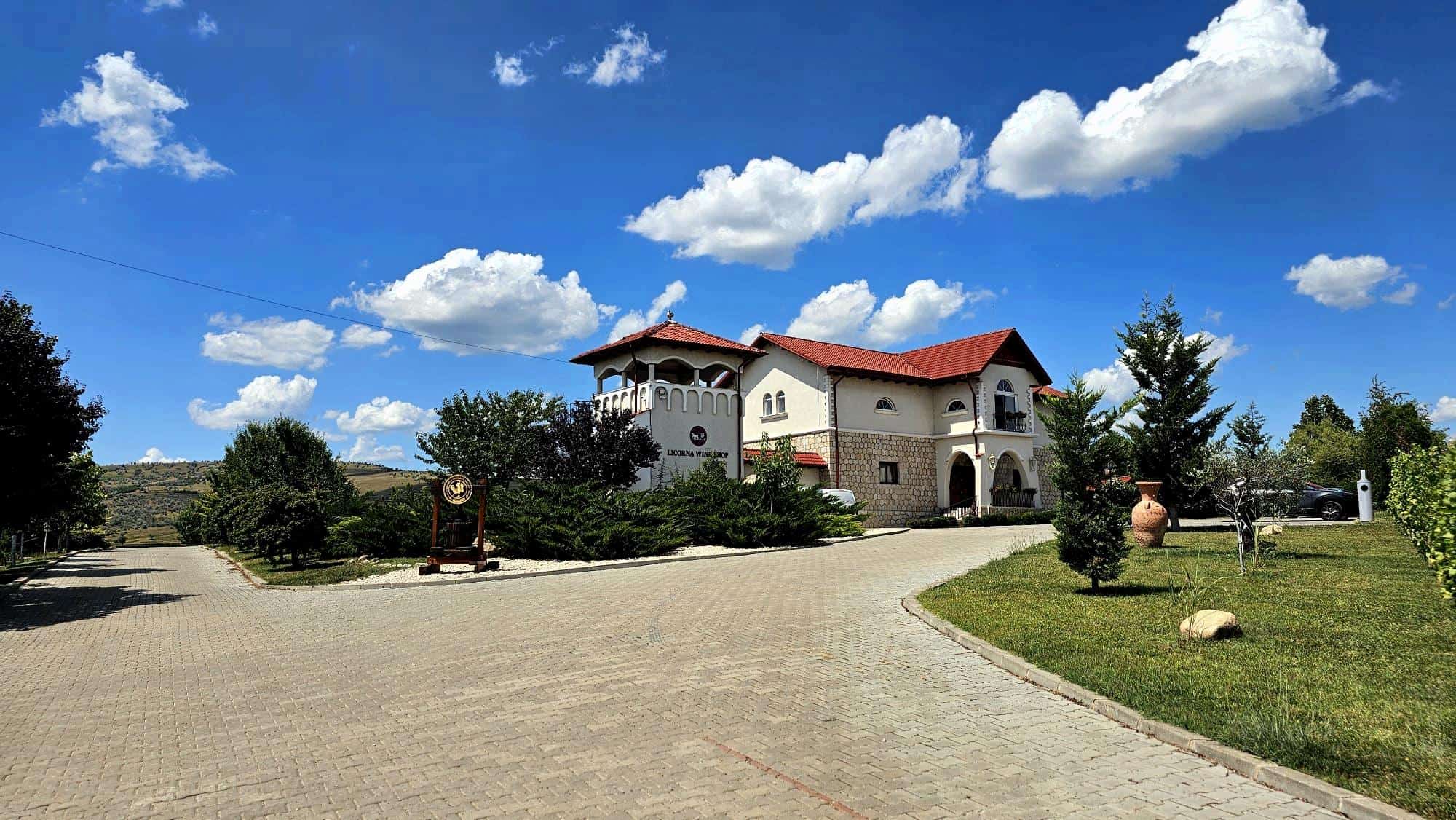
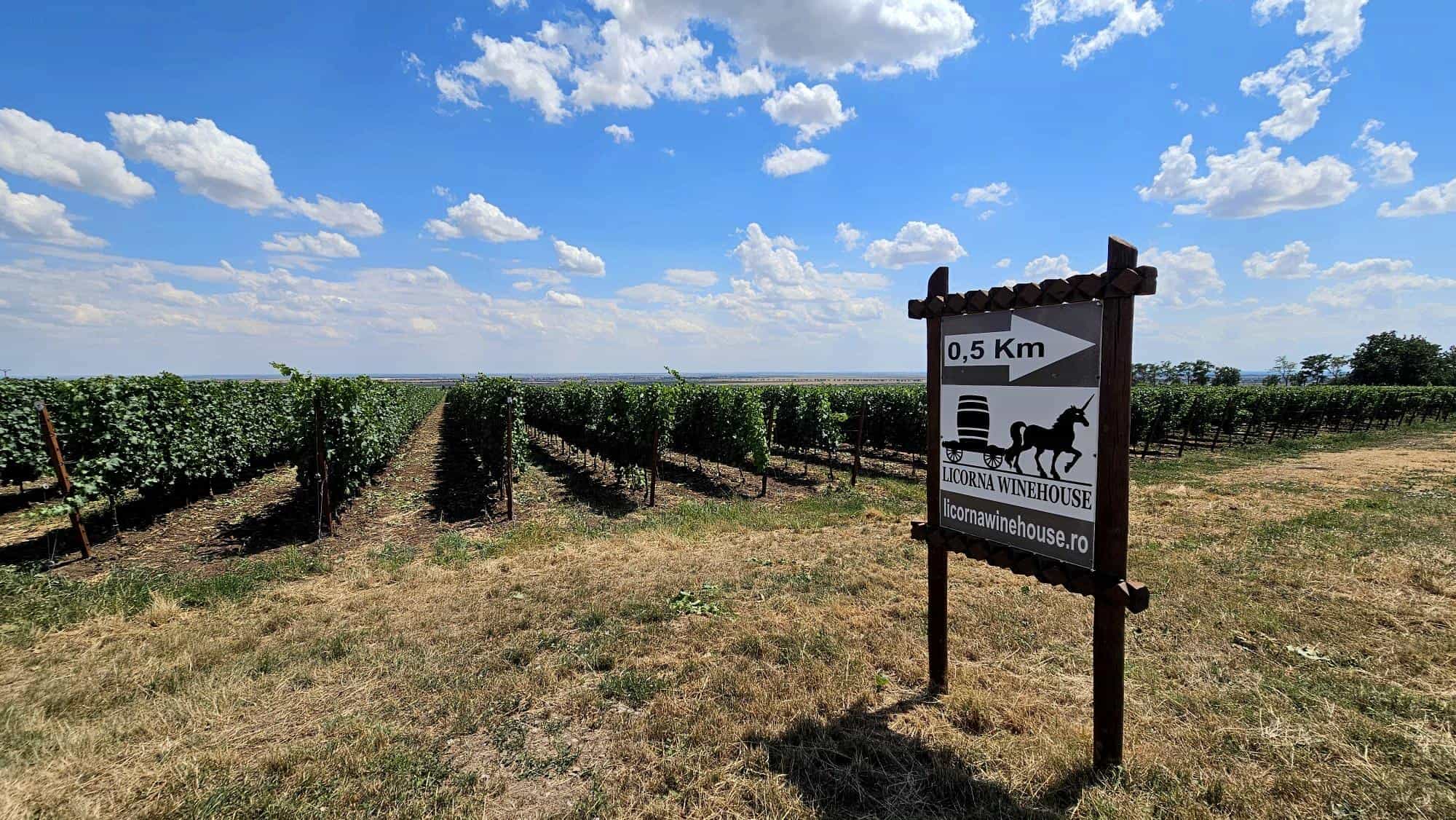
And just like that, we ended up in Dealu Mare for the third time, specifically at Licorna Winehouse (all other wineries with accommodation were fully booked). With a sunny weekend forecast, we figured we’d rent some bikes and explore Dealu Mare on two wheels… actually four.
I spotted an ad from CarpatBike, organizing an event called Bike to Table, essentially a guided bike tour through the vineyards, brunch, and wine tastings at wineries along the Wine Road.
Sold!
I’d long dreamed of such an adventure, even though I hadn’t pedaled in ages, but I thought, let’s give it a shot. I texted the number listed to inquire about the itinerary, distance, and inclusions, and got an immediate, super friendly reply: 2 spots available, and they were willing to tweak the start time slightly so we could make it from Sibiu afternoon to Tohani (the starting point).
The route was easy to moderate, max 30 km, starting in the Tohani area with a stop at either Conacul Vinalia or Licorna Winehouse. The itinerary seemed pretty flexible, I wasn’t entirely clear, but I agreed to receive the proforma invoice.
The shock came when I saw the total: 830 lei, with just the 223 RON excl. VAT per person entry fee, and the rest for regular bike rentals (not e-bikes) for two people. No meals, tastings, or winery visits included, those were all extra.
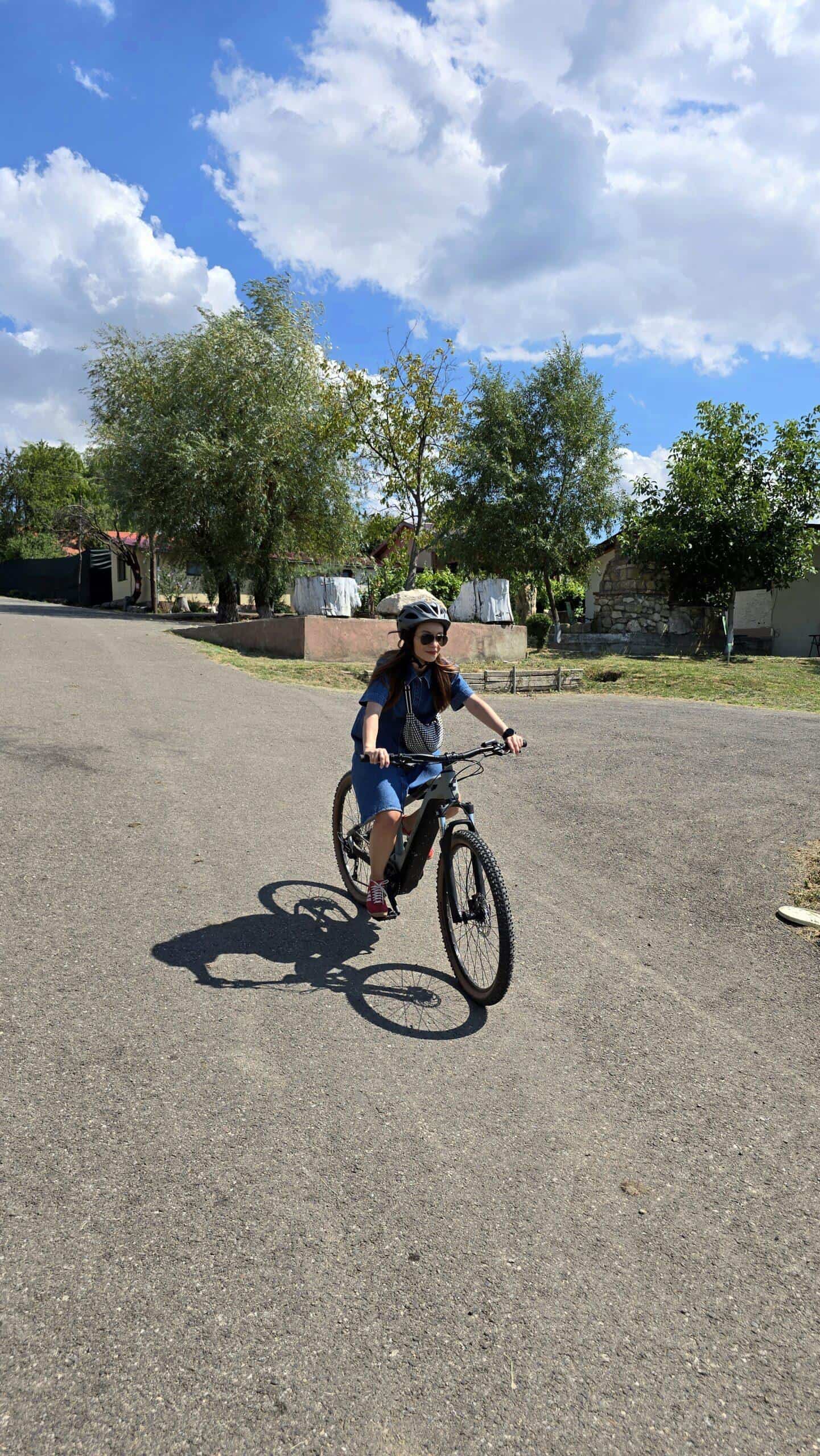
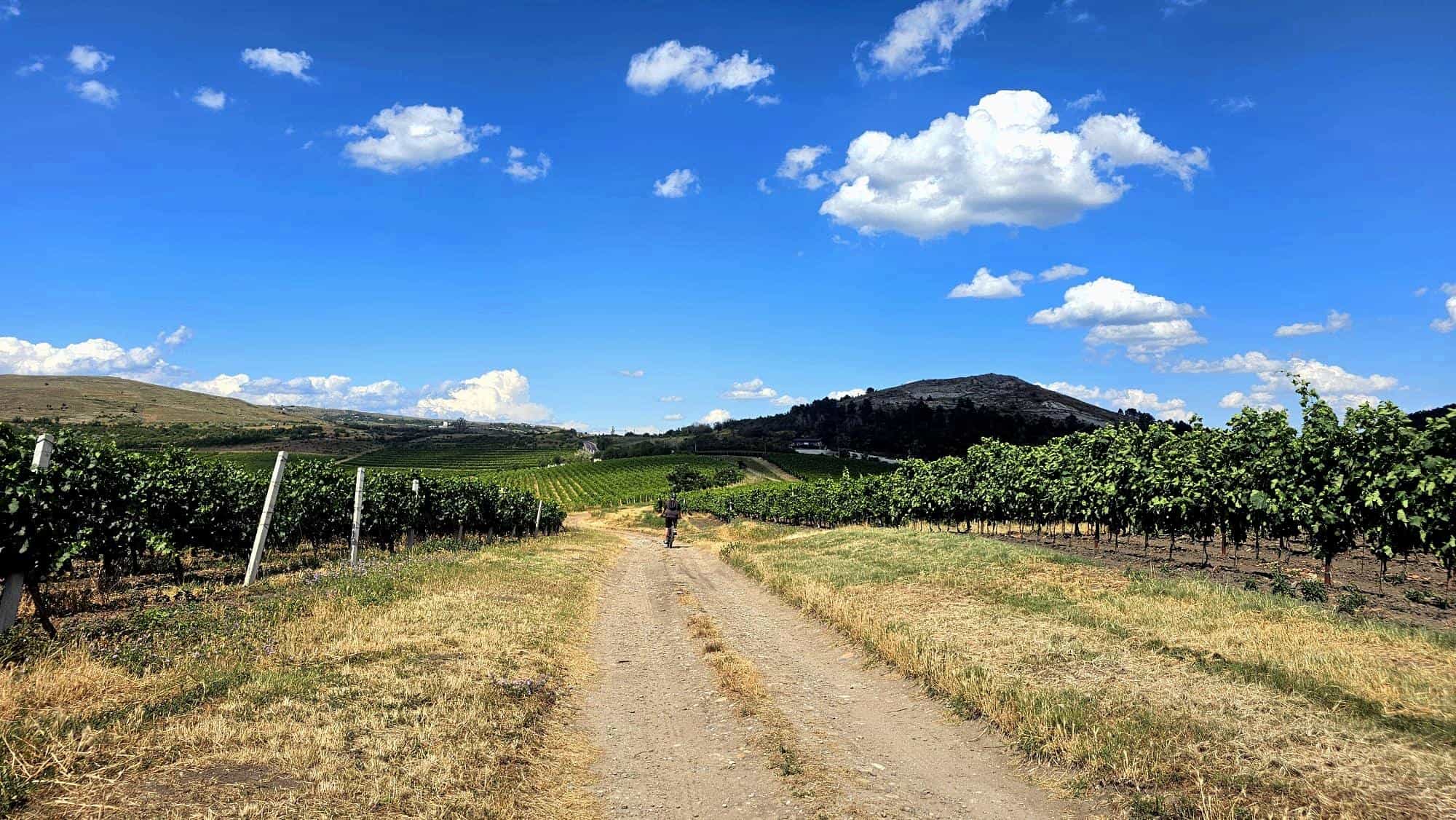
It felt unjustifiably pricey, so we kept searching for alternatives. And lo and behold… on Google Maps, right next to Licorna Winehouse, we found Bicicleta Năzdrăvană, renting e-bikes for 30 lei/hour (min 3 hours). They also offered guided tours, but we preferred to organize our own, leading to this route:
1. Licorna Winehouse
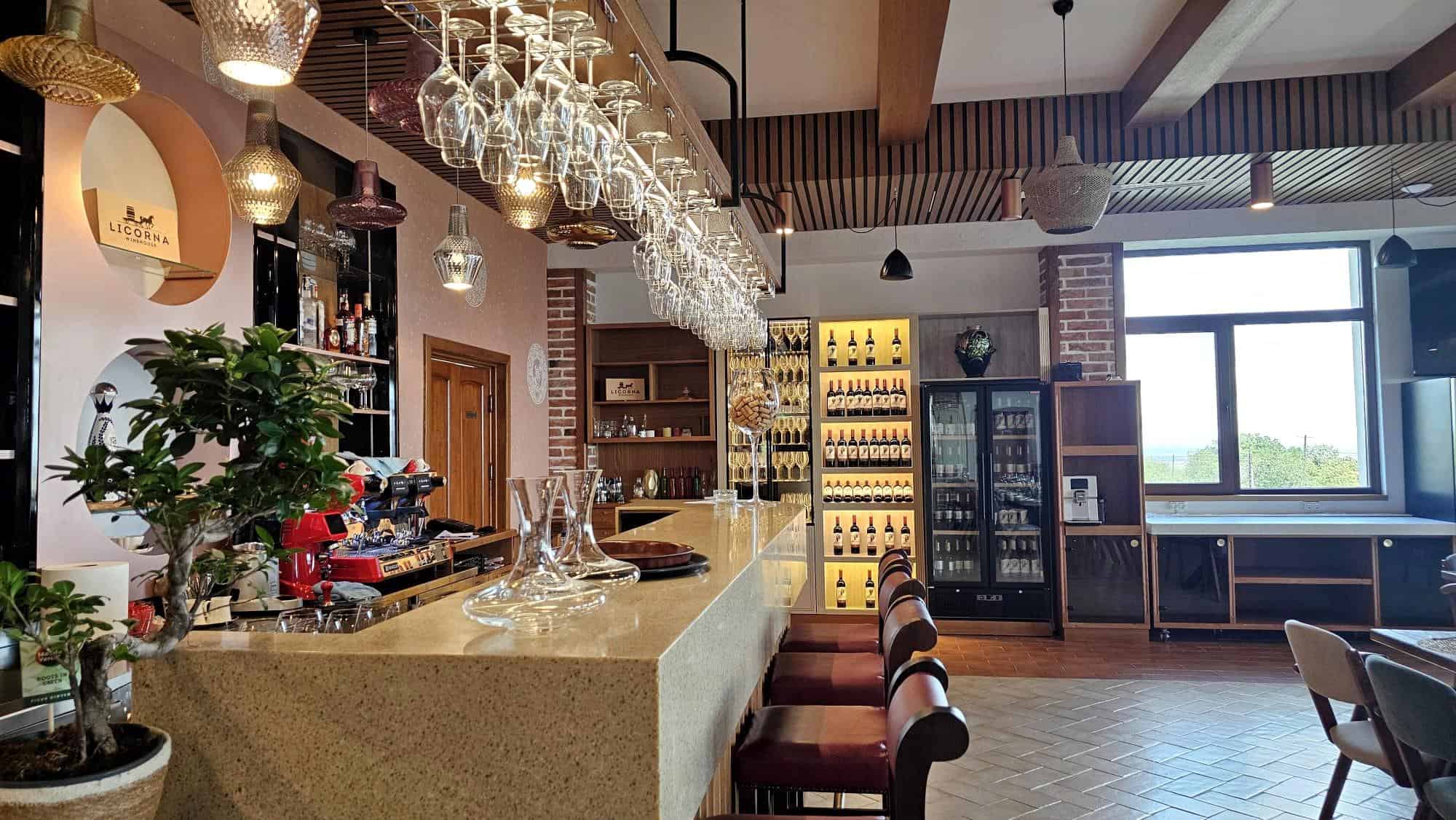
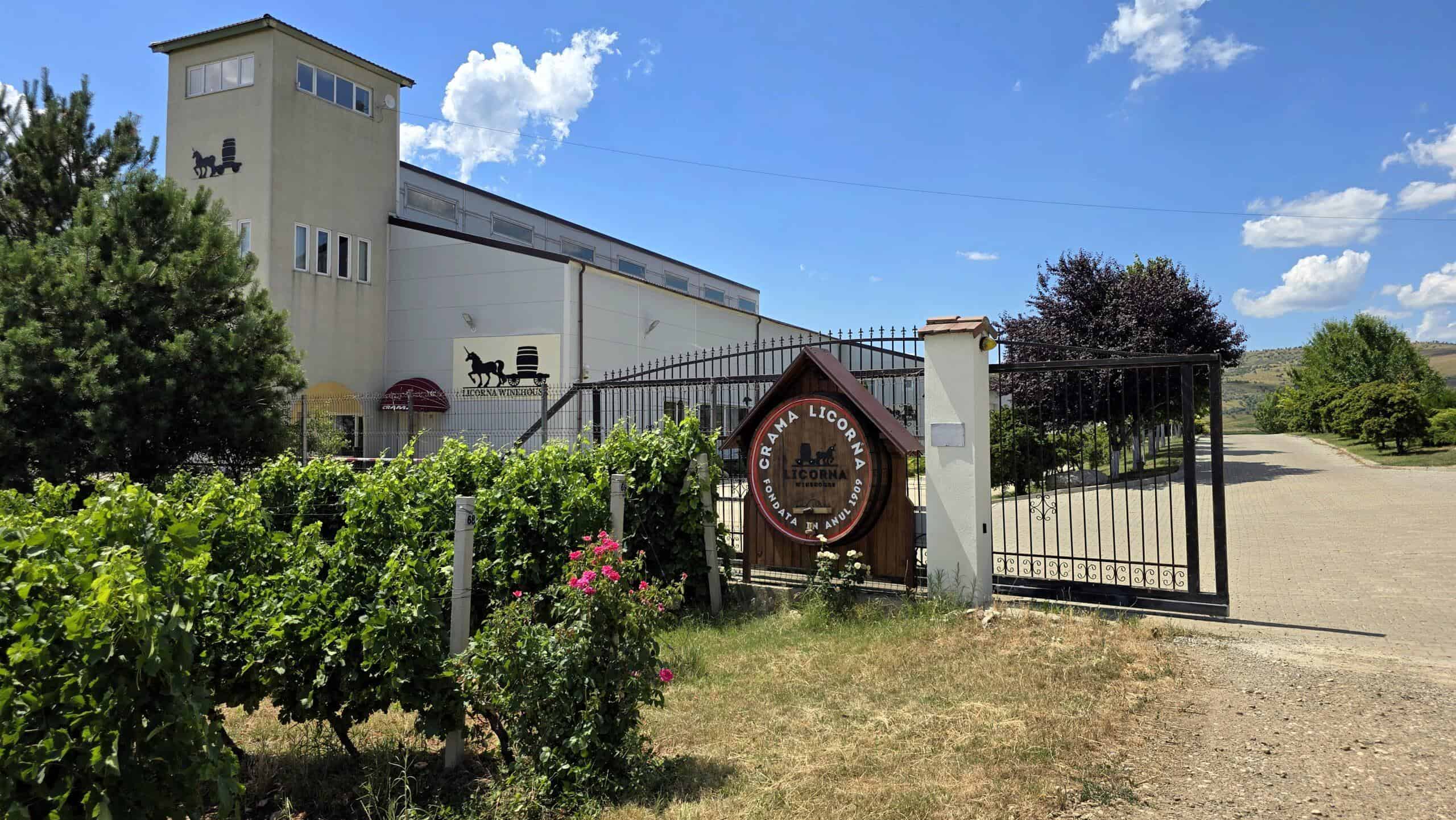
Licorna is a boutique winery (around 30 hectares) with a rich history and a strong presence, especially in retail, I’m sure you’ve spotted the Stih or Serafim ranges on Kaufland shelves at least once. But we learned from Mihai , the most welcoming guide  , that although the winery officially opened in 2013 under businessman Virgil Harabagiu, locals have always known it as “Cocoșul Negru” (The Black Rooster).
The story goes that the former owner, Nicolae Nicolau, dreamed of Prince Constantin Brâncoveanu asking him to craft the blackest wine, like the black rooster in his courtyard.
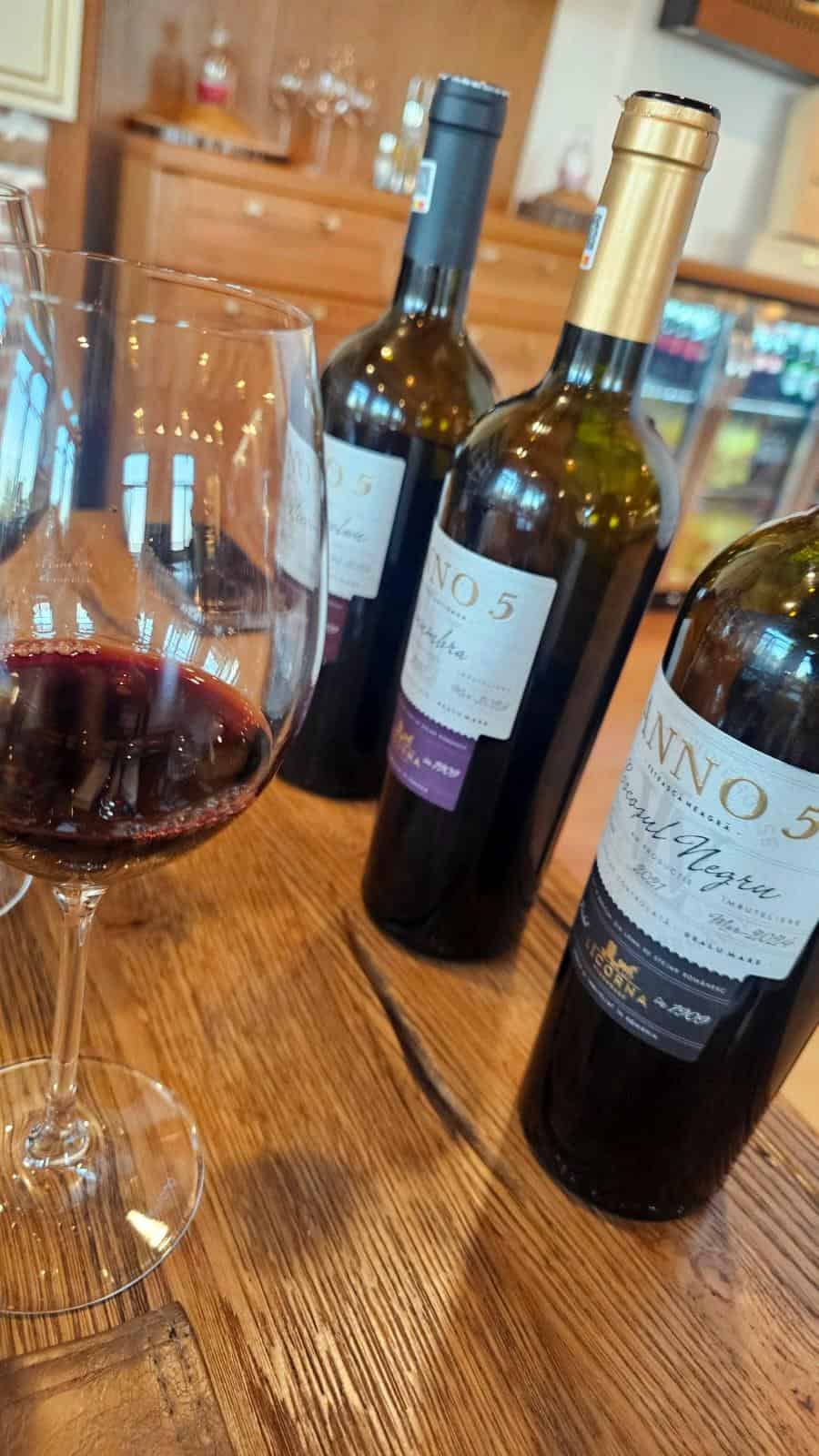
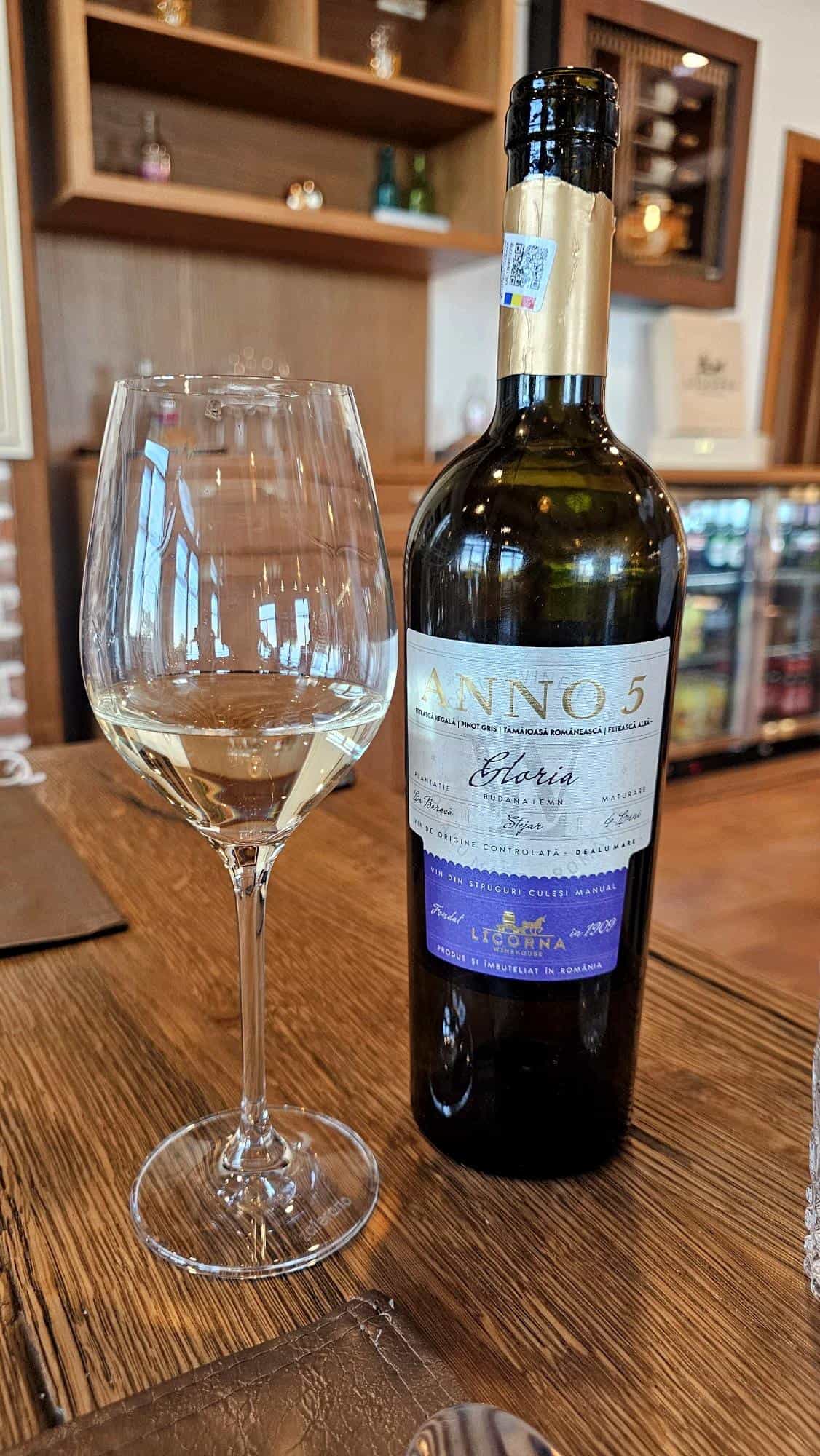
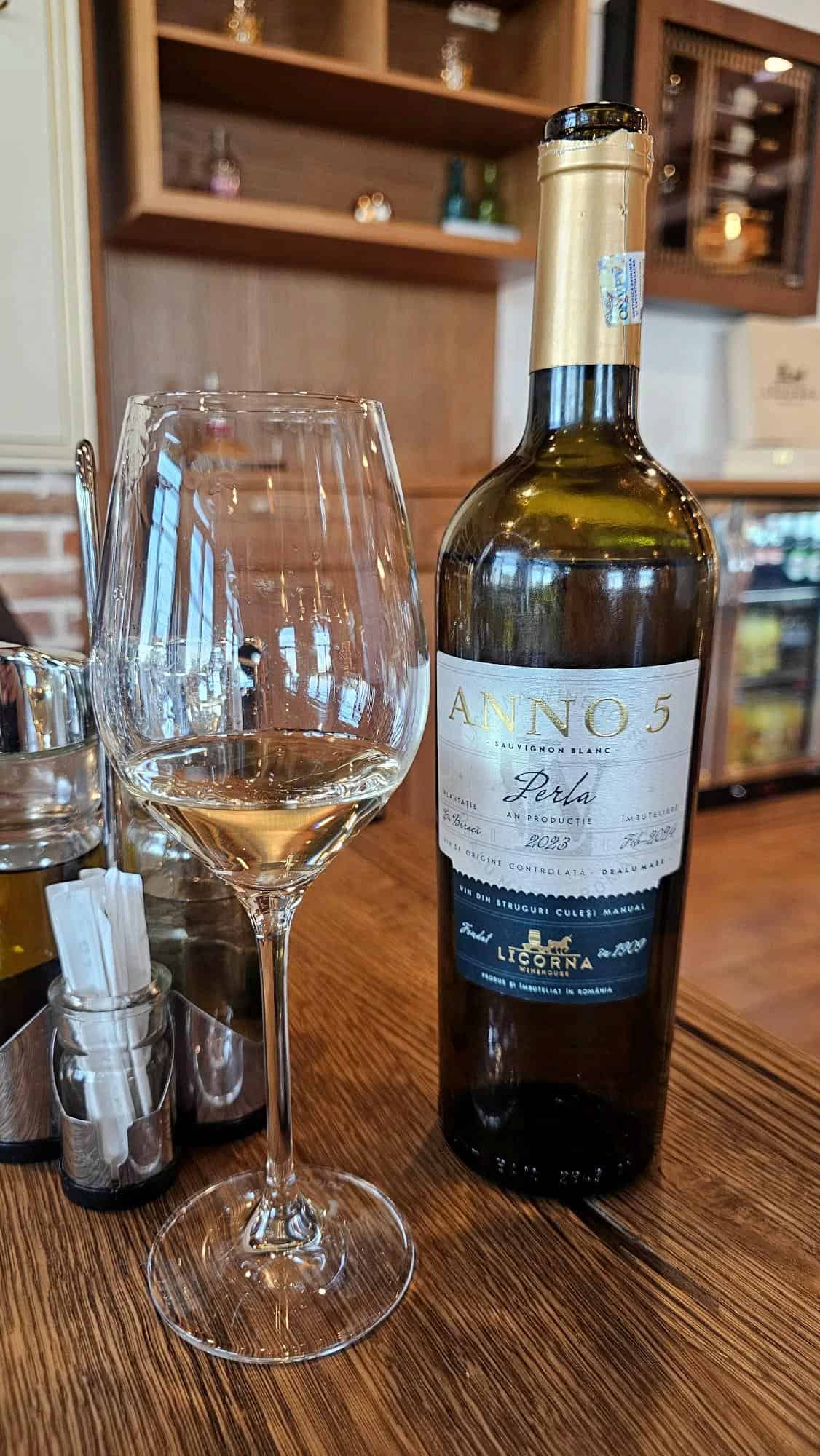
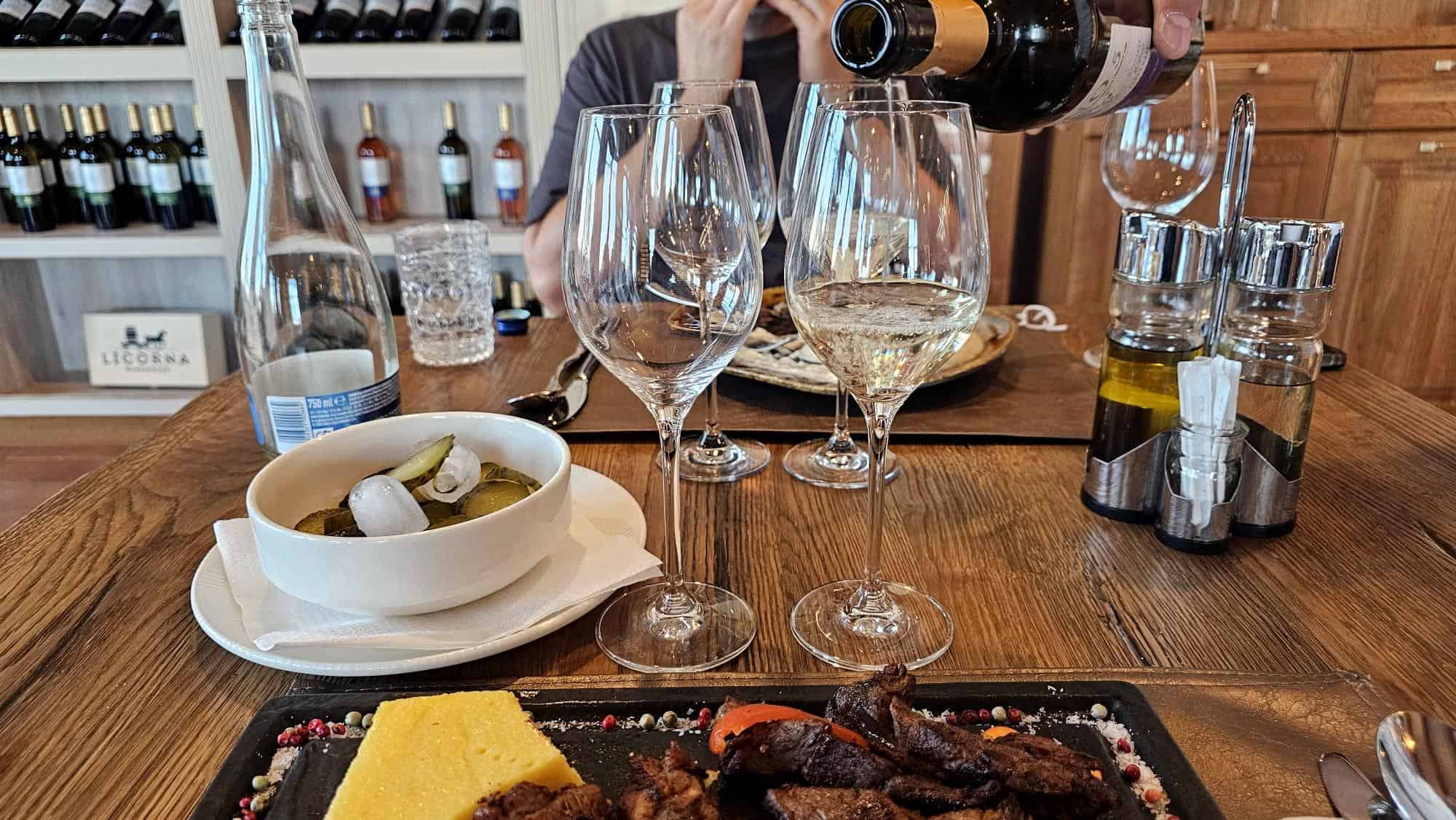
We kicked off the tasting with their top-tier Anno 5 white wines, followed by a Sangiovese rosé called Francesca, which surprised me, since Romania rarely plants this grape. We continued with three Anno 5 reds (I believe Dealu Mare’s iron-rich clay-loam soil with limestone base is perfect for reds, they’re far more expressive than the whites): a 2020 barrel-aged Merlot named Boierul Nicolau, which Cosmin absolutely adored. Picture an overdose of tertiary aromas: tobacco leaves, leather, dark chocolate, forest floor after rain, rich oak, cherries, and vanilla. We paired the grilled lamb with Penumbra, a Cabernet Sauvignon with blackcurrant, dark chocolate, pepper, and cedar. We closed with the flagship Cocoșul Negru, an opaque, ultra-dense Fetească Neagră with otherworldly aromas: smoked dried plums, licorice, cloves. I told them it was more concentrated than Apogeum’s Fetească Neagră  .
.
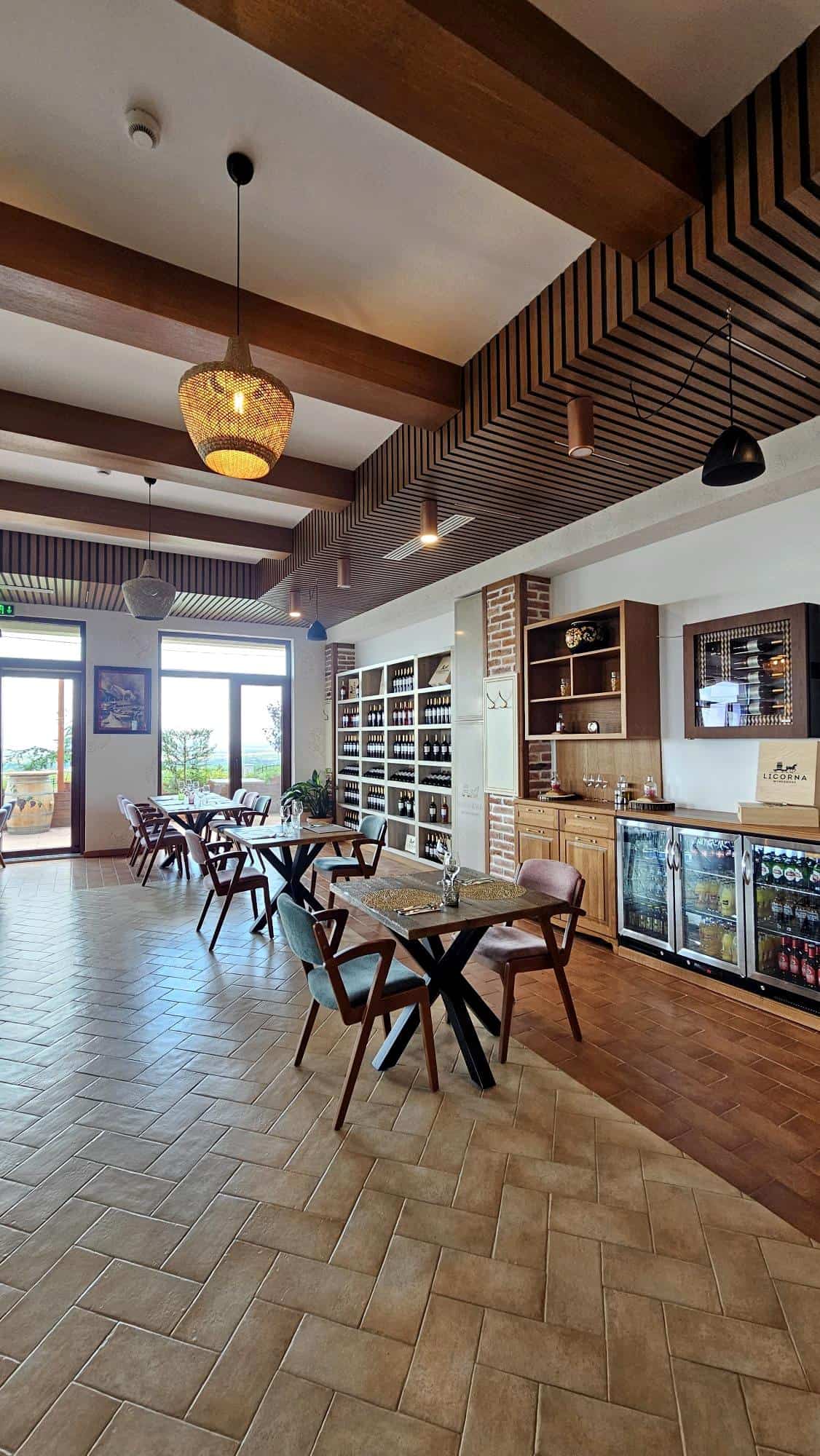
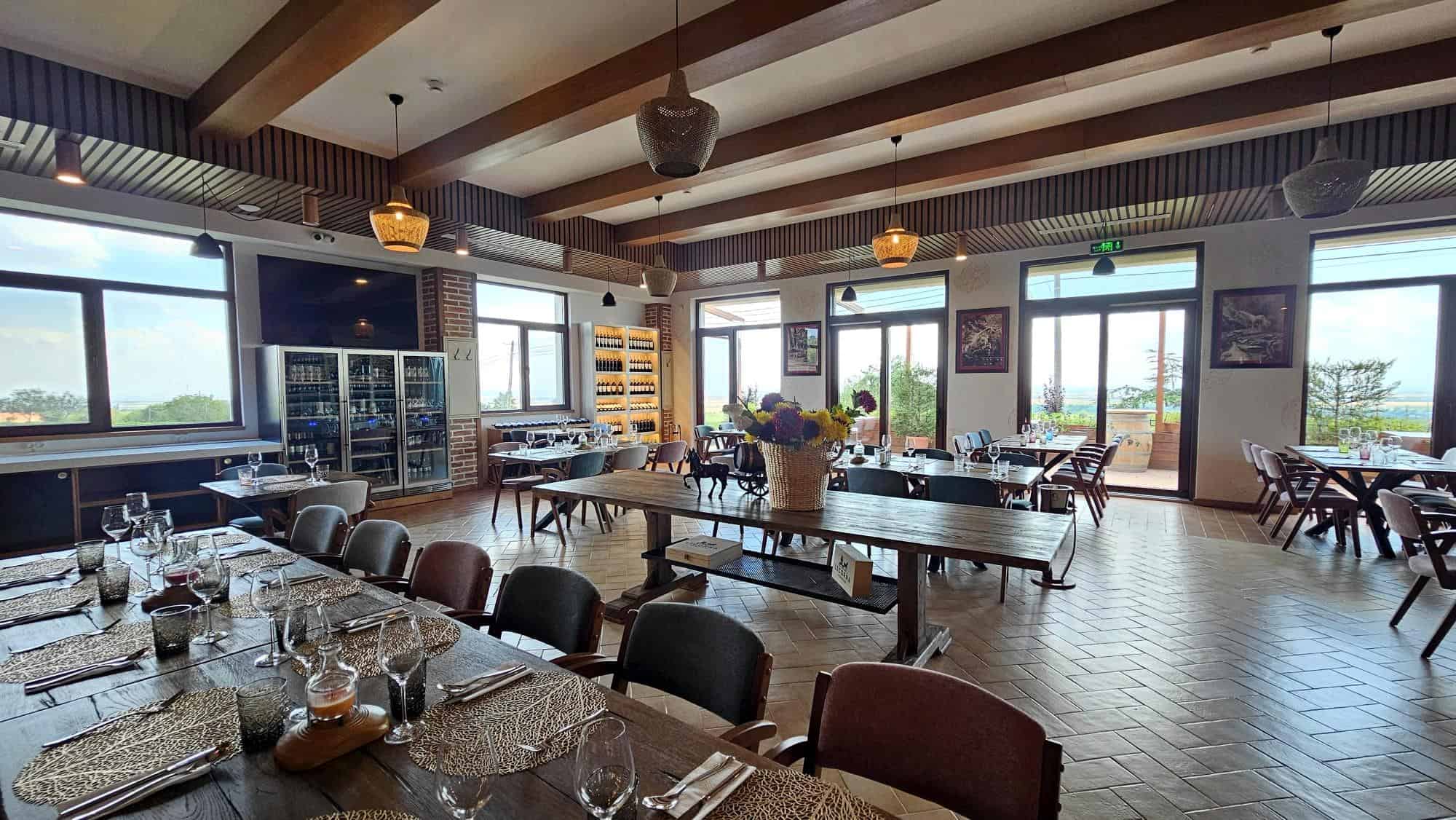
The restaurant looks stunning, tastefully decorated right by the vines, and the food was delicious, 10/10  .
.
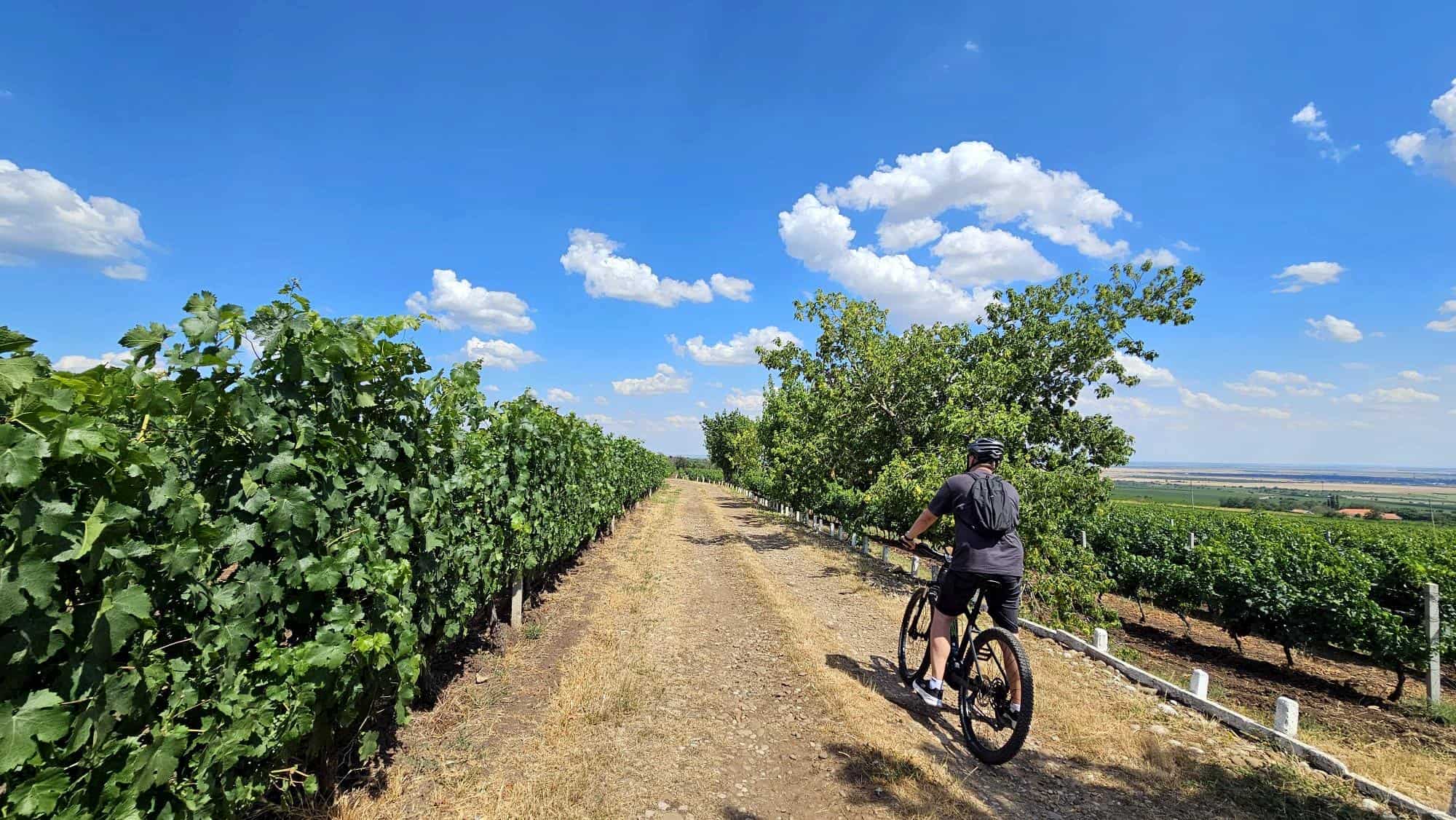
But since we’d arranged with Bicicleta Năzdrăvană to leave bikes at Licorna, we were in a rush to catch a few more hours of pedaling. So off we went, huffing and puffing, through the vineyards toward Velvet Winery.
2. Velvet Winery
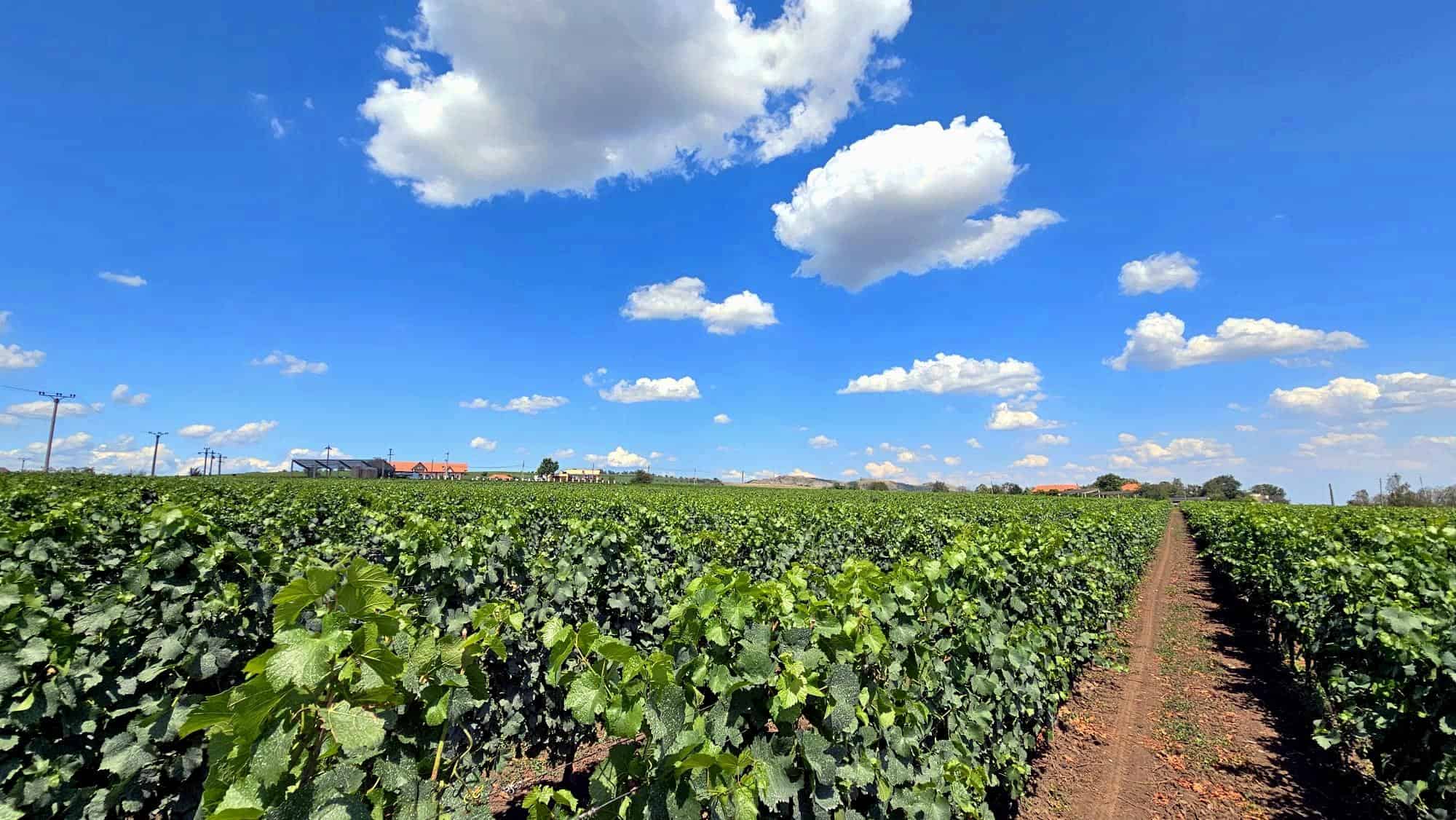
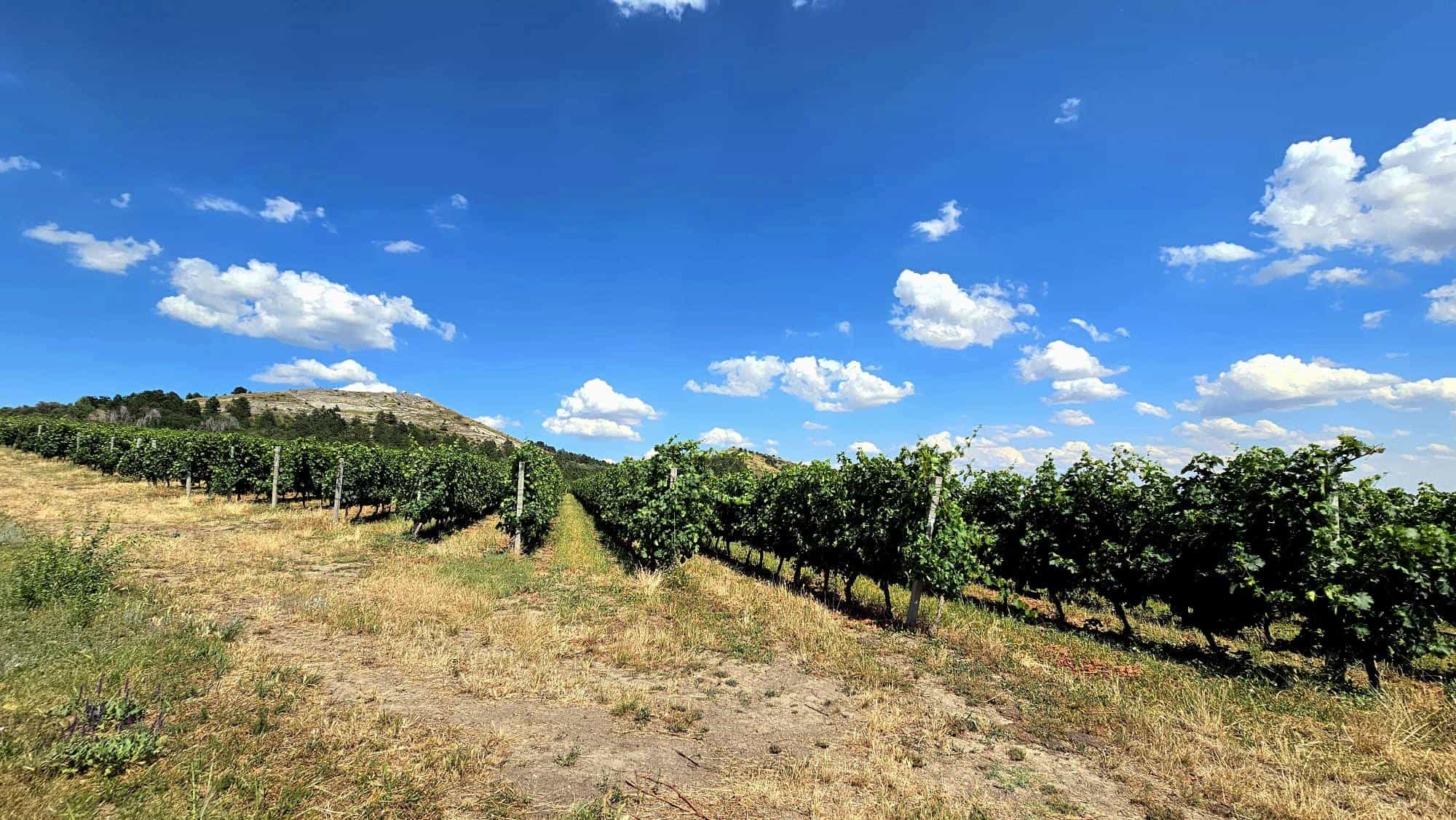
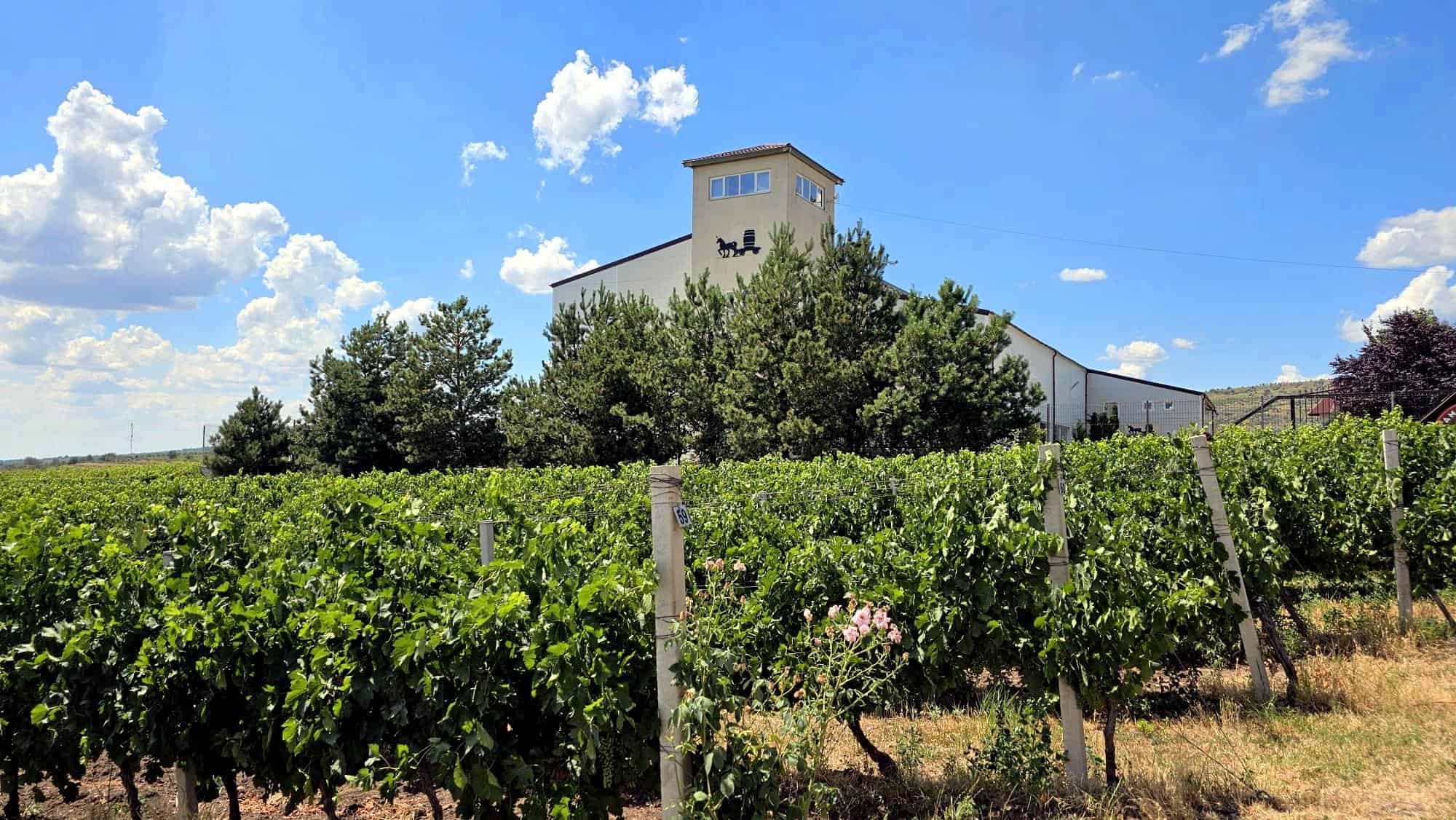
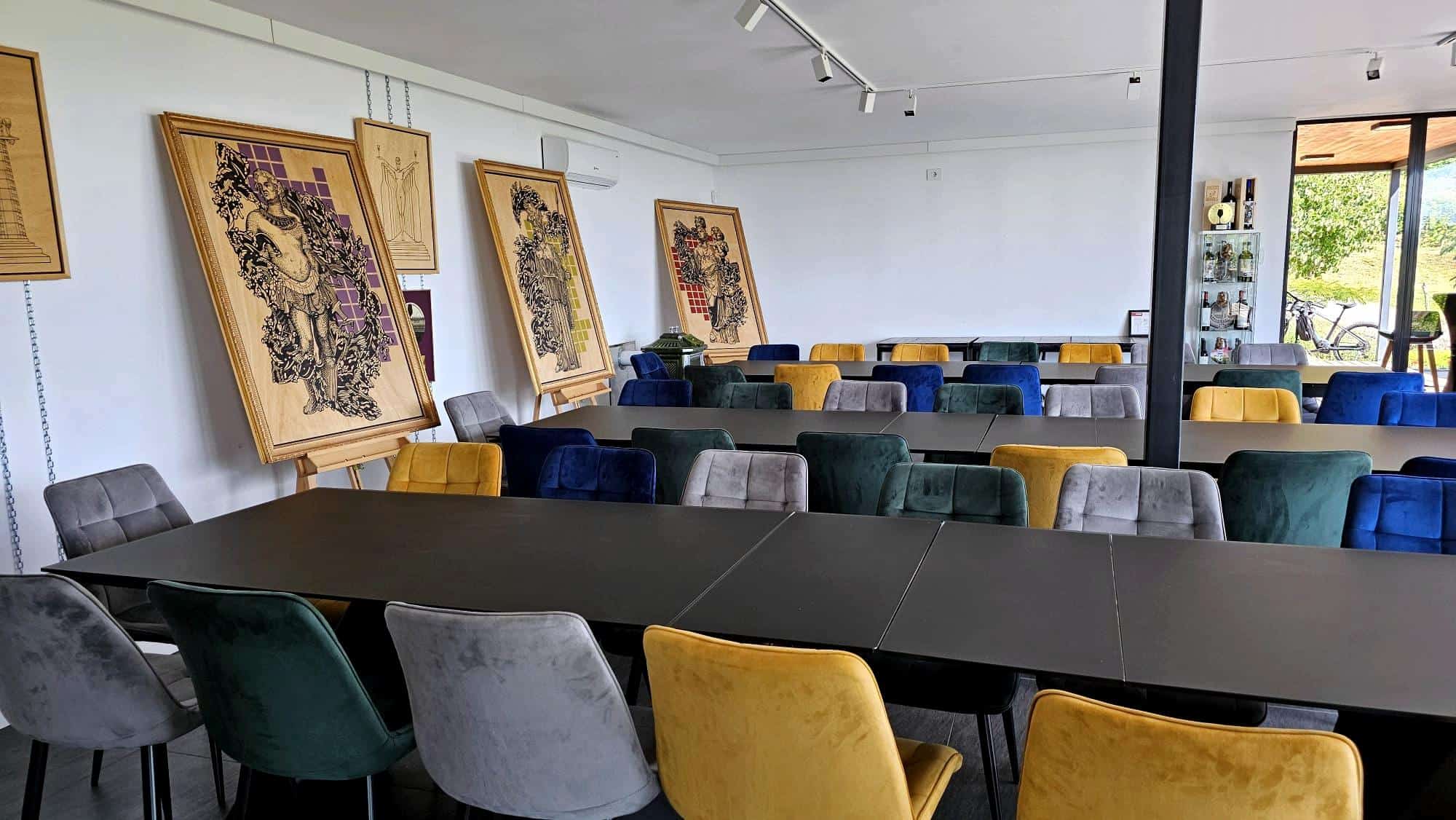
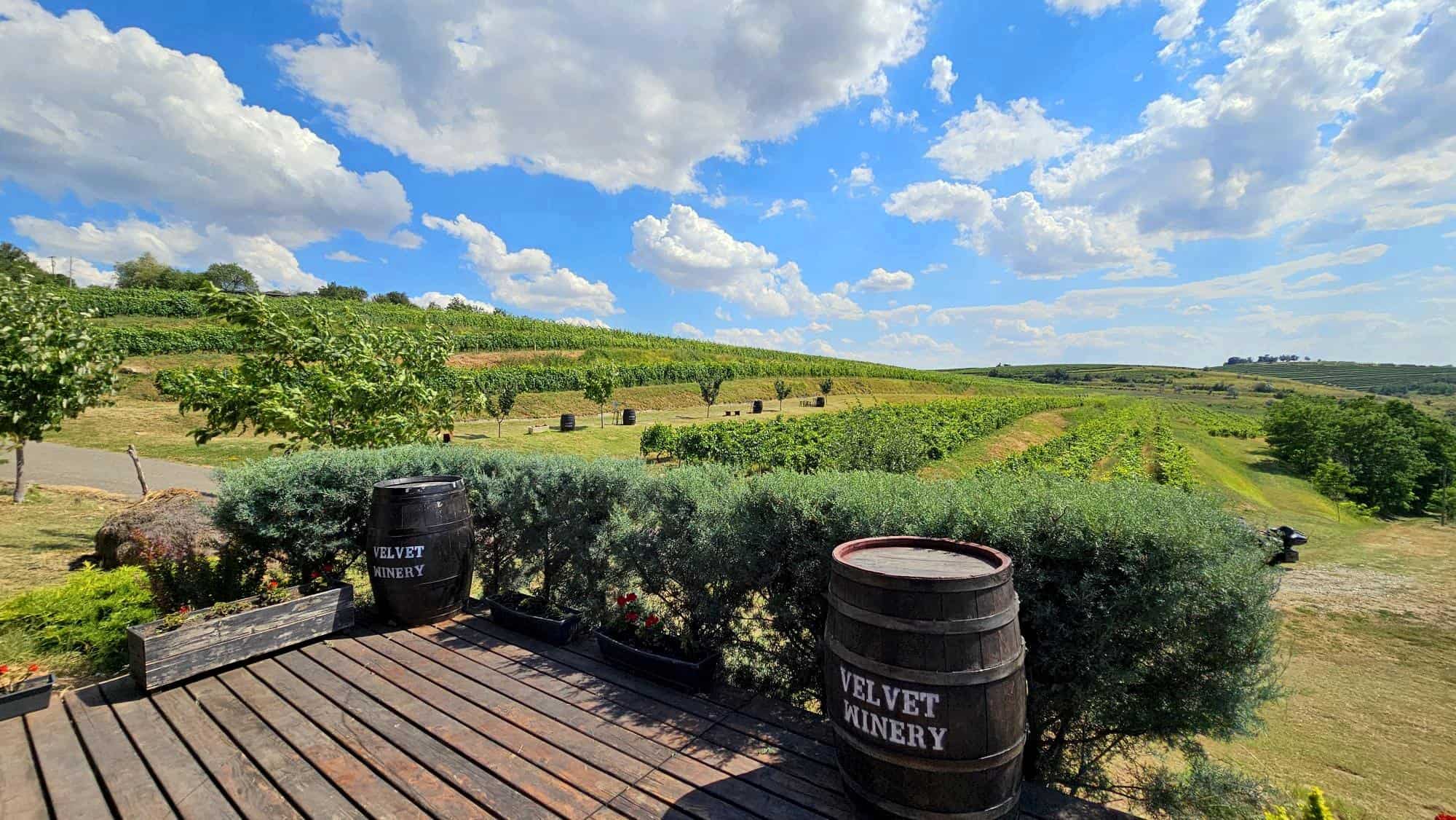
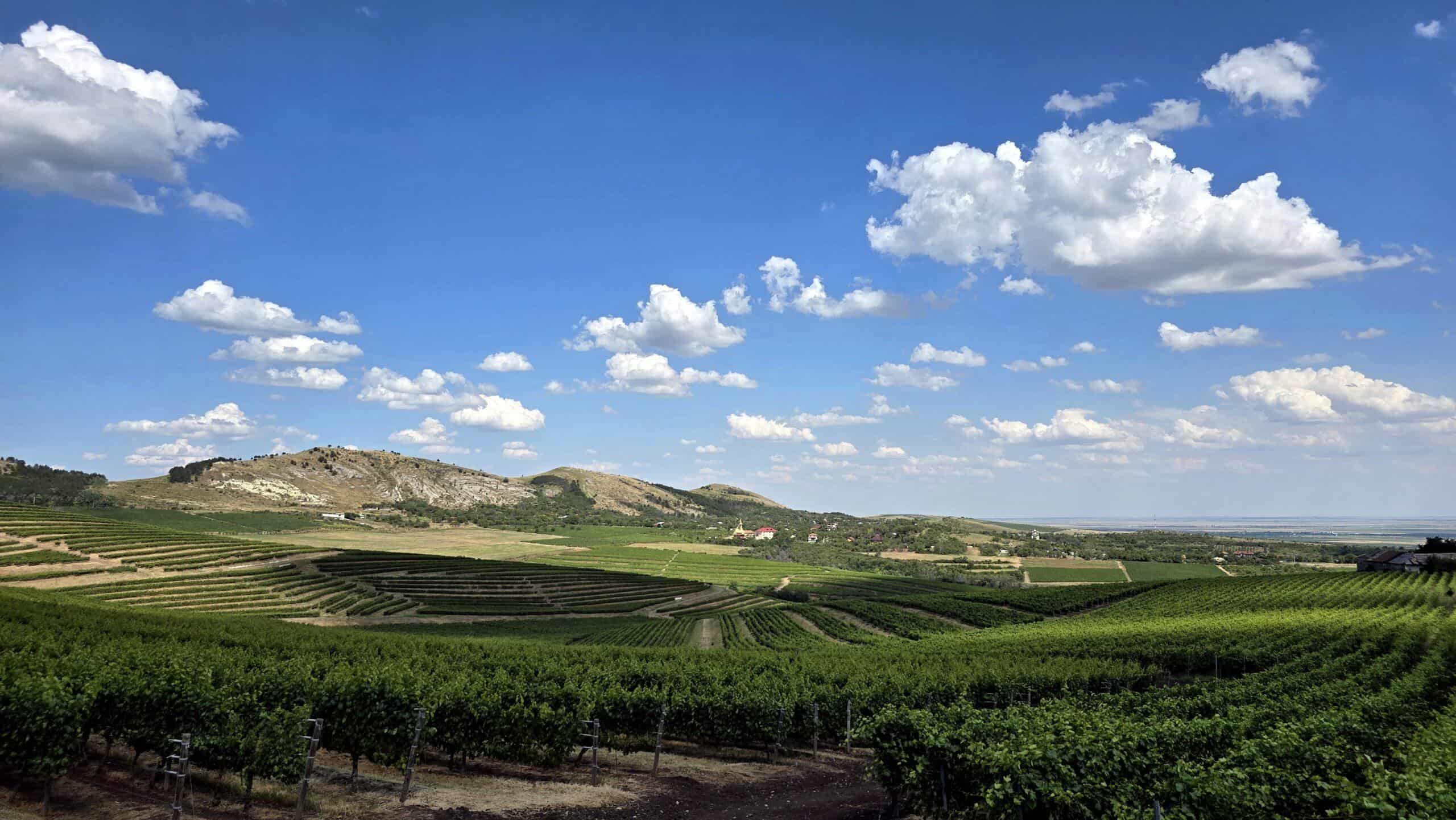
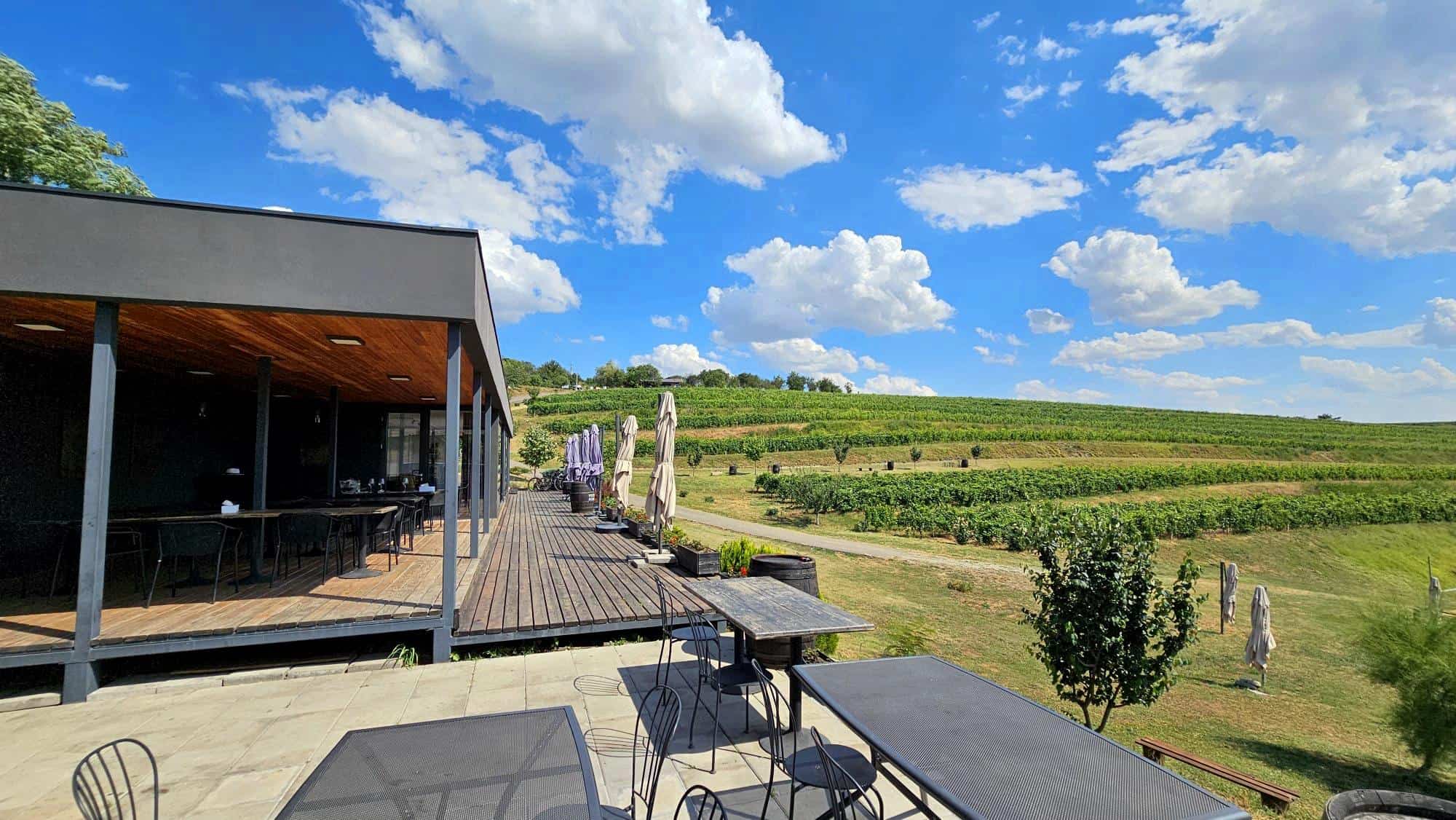
The prize for the coolest and most picturesque landscape in the Tohani vineyard goes, without a doubt, to them. We stopped countless times to snap photos from afar, admiring the perfectly terraced hills and the tasting room nestled right in the heart of the vineyard.
Modern with industrial touches, Velvet falls into the same boutique winery category with 36 hectares. From Instagram, we learned it hosts both wine tastings and weekend parties. Sadly, we didn’t sync up, but we hope to next time (here’s a video to convince you it’s worth it  Velvet Winery Story).
Curiously, we couldn’t find tasting packages on the menu, despite being listed on the website, so we negotiated with the lady at the front desk to try the open bottles (another couple who arrived after us did the same).
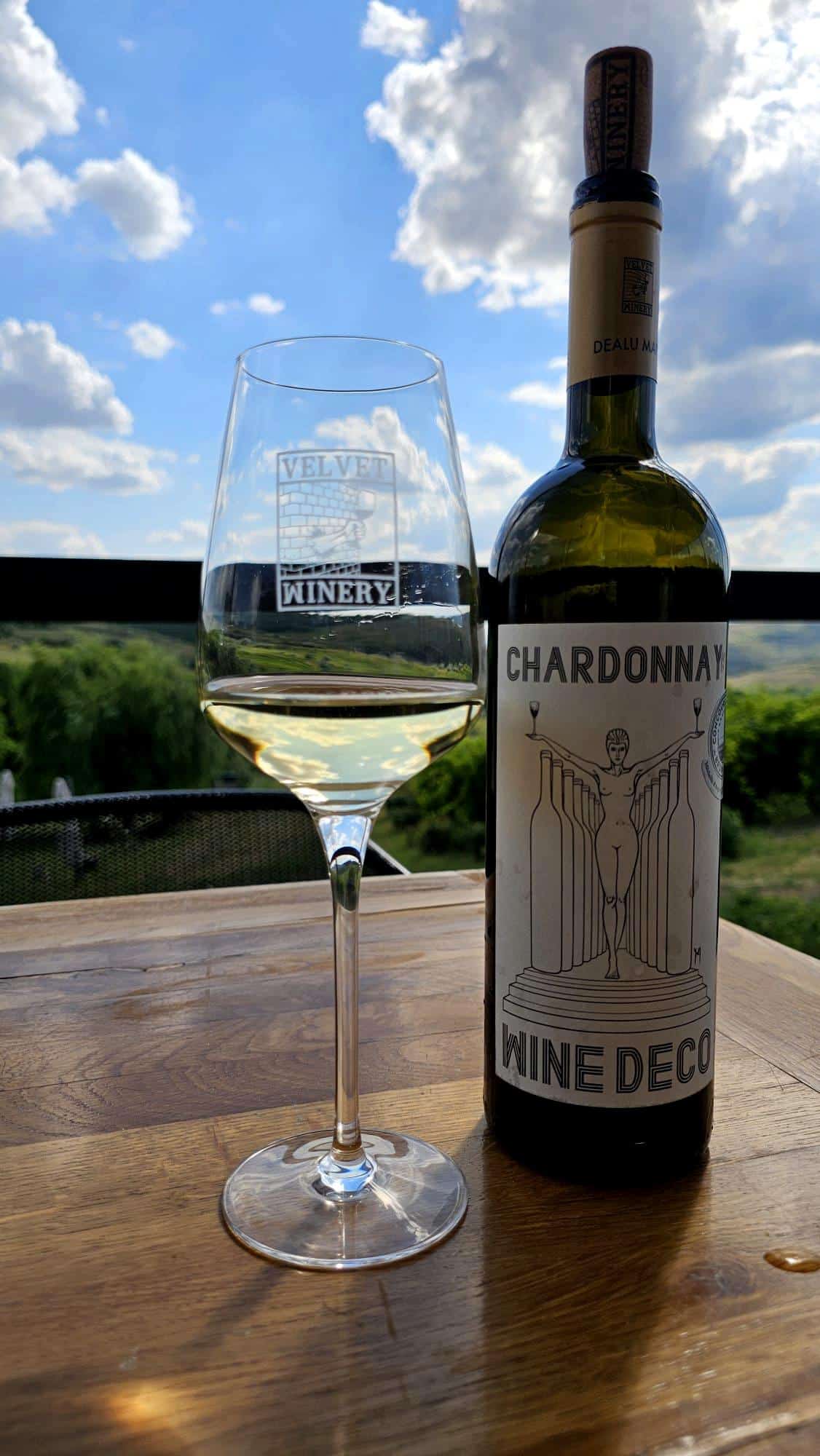
We sampled from the WineDeco range: a Chardonnay that was creamy with tropical and ripe summer fruit notes, and a Cabernet Sauvignon that reminded us of old-school rosehip jam, so impressive we took a bottle home in our backpack  .
.
Once again, surprisingly (maybe even inexplicably), the charcuterie board was only 120 lei.
However… the experience and views are enchanting, and we’d return for a proper tasting and/or party  .
.
3. Domeniul Strehan
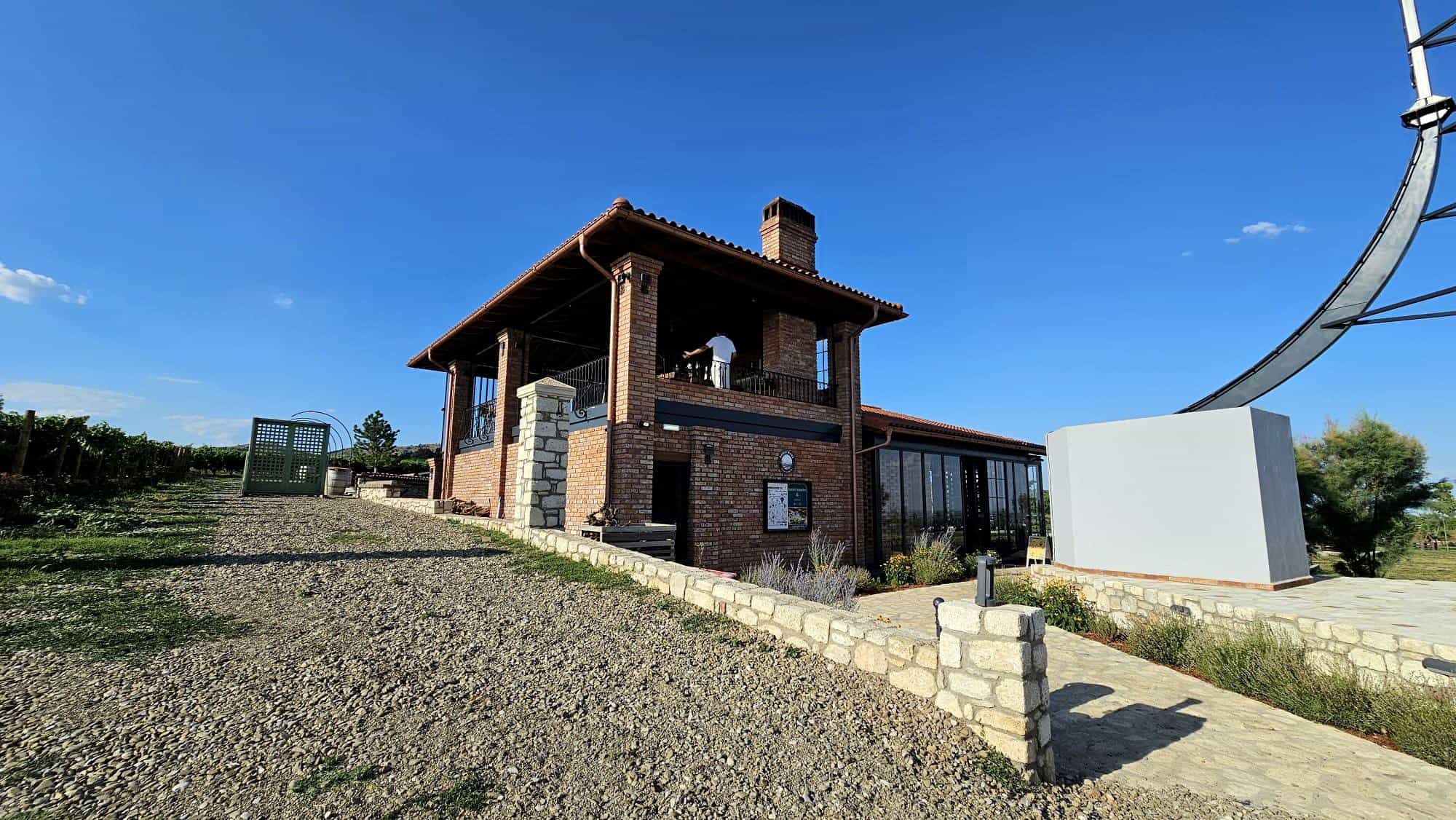
Recharged with energy, we pedaled another 4 km to Domeniul Strehan, which we first visited a year ago while they were still preparing the estate for visits, tastings, and vineyard accommodation.
We noticed the place has expanded slightly, especially outdoors, but sadly it’s still under construction.
The restaurant, however, is just as beautifully decorated as last time, with an idyllic view in the middle of the vineyard. We learned from our super welcoming host, Mrs. Marilena Ene, that the manor in the vineyard, a tribute to Eglantine Ionescu, the former owner from the interwar and postwar period, will take at least 2 more years to complete.
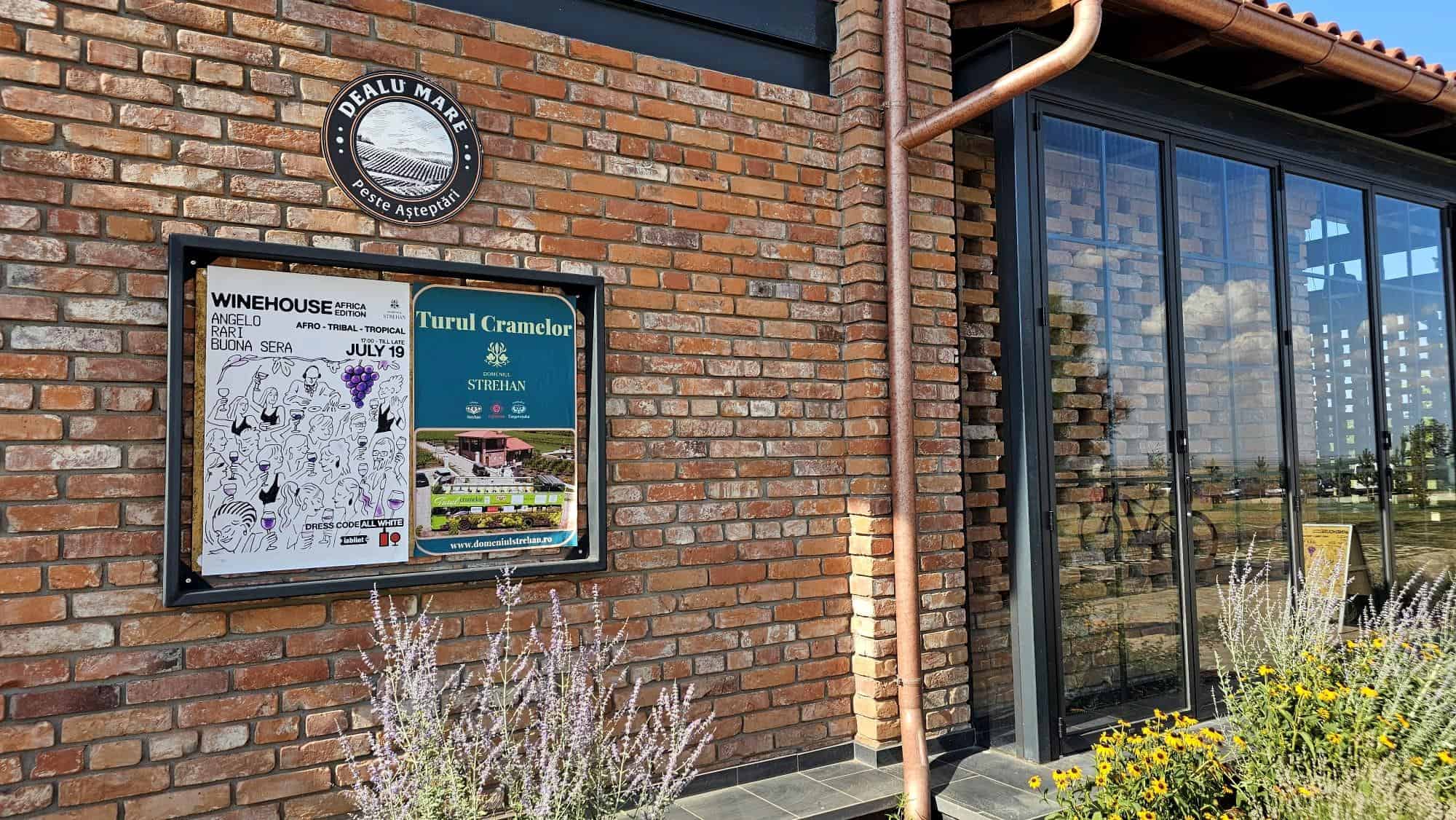
Another gem from Mrs. Marilena: they’re the only winery in Dealu Mare offering vineyard tours, tastings at partner wineries, and bus pick-up from Bucharest (a brilliant idea, given the many wineries along the Wine Road in Prahova and Buzău counties, and it eliminates the designated driver worry).
Despite an interesting setup, vineyard and tasting room in Gura Vadului (size unknown) and winery in Mizil (as we understood), we tasted the most refined and fragrant Merlot in Romania: Domeniul Strehan Merlot.
Chapeau  , we wholeheartedly recommend it if you want a velvety blend of raspberry, lavender, rose, and violet.
4. Budureasca
If the first day was about boutique wineries, day two shifts gears to the superlative, we visit the largest vineyard in Dealu Mare: Budureasca.
With over 275 hectares of vines, 2,500 m² of winery space, 13 different grape varieties, and 30 medals won, including at Decanter, Budureasca, despite the area’s traditions and history, is still a “young” winery, established in 2013.
At Budureasca, we met a one-of-a-kind guide, Mr. Liviu Bîrcianu, incredibly jovial and witty. We heard the best stories about the region’s unique terroir, 70-year-old noble vines, and the experiments of renowned oenologist Stephen Donnelly, a local by choice  , with organic, orange, and sparkling wines.
Must-try: Premium Fumé , a blend of Chardonnay, Sauvignon Blanc, and Pinot Gris with tropical pineapple, ripe pear, and vanilla notes .
5. Crama de Piatra
We arrive in Vadu Săpat, between Prahova and Buzău, for our second vineyard stay, known locally as “Boian” or Crama de Piatră.
The winery’s symbols, woman and man, piqued my curiosity, and I learned they belong to the Boian culture, a Neolithic civilization discovered in the Dealu Mare area.
Following the same pattern as most Dealu Mare wineries, rich in legend and viticultural experience, the vineyard itself is young, founded in 2016, when they built from scratch the tasting and event hall, restaurant, and accommodation. This time, we found plenty of lodging – 28 spots in both the manor and wooden cabins.
The winery fits the artisanal-boutique category and is likely the smallest we visited, with just 6 hectares of vines. But as the hosts say: small but mighty .
Due to time constraints, we skipped a full à la carte tasting, but we enjoyed the restaurant and savored a bottle of Fetească Neagră & Cabernet Sauvignon, which won gold at the 2024 Vinarium competition.

 The journey doesn’t end here…
 The journey doesn’t end here…