
Piemont
când vii pentru vinurile roșii și pleci cu cele albe
Dacă Bordeaux copleșește din punct de vedere complexitate, istorie și acel „savoir-faire”, Piemonte era pentru noi „cutia neagră” a Italiei  .
.
Cum a început…
Am plecat la drum cu un minim de informații (nu chiar tabula rasa dar pe acolo) însă mânați de dorința arzătoare de a „decoda” enigmele vinurilor nordului Italiei.
În acest articol vă voi povesti mai mult despre impresiile și descoperirile noastre (multe A-ha-uri veți vedea) într-o zonă nu atât de cunoscută turismului de masă, deși absolut fermecătoare și cu foarte mult potențial: Piemonte.
Piemonte s-ar traduce liber prin „la poalele munților”… un fel de Subcarpați în versiune italiană, și a fost prima noastră oprire în „la passeggiata del vino”, nu doar pentru că avea sens din punct de vedere logistic dar și pentru că ne doream să ne inițiem în ale regelui vinurilor roșii (italiene).
Drept urmare, prima oprire devine orășelul Barolo.
*Disclaimer: legenda spune că autoarea încă învață despre enigmaticul nebbiolo  ... așa că fie-vă milă

Barolo
Orășelul cu doar 750 de locuitori, devine capitala regiunii și a vinului care îi poartă numele: Barolo.
Barolo este echivalent cu elita și nobilimea, incredibil de scump, însă nu prea îmi era clar de ce, asta pentru că prima dată când testasem un Barolo mi-am adus aminte de vremurile când fumam și aveam miros de gudron pe degete. Mușchi, testosteron, cai putere… lista poate continua la nesfârșit. Deci amintiri nu chiar plăcute și parfumate.
Dar înainte de a începe „descoaserea”, vă echipăm cu câteva date esențiale despre Nebbiolo, Barolo, Barbaresco, Dolcetto și Barbera, ca să puteți digera ce urmează:
- deși nu cel mai popular din Italia, Barolo este de departe cel mai prestigios vin roșu al peninsulei, denumit și „vinul regilor, regele vinurilor”
- este un vin monovarietal produs 100% din nebbiolo, un soi de struguri autohton însă acum cultivat pe scară largă chiar și în Mexic.
- denumirea de „nebbiolo” vine de la „nebia” care înseamnă ceață, zona fiind faimoasă pentru acest fenomen în special în zilele de toamnă
- personalitate + 10.000 – este un vin cu mult „machismo”, foarte mult tanin și acid, cu un potențial fantastic de învechire dacă nu chiar cu recomandarea legală de a nu se consuma dacă e mai tânăr de 38 luni (mai mult, varianta de Riserva nu se poate comercializa dacă nu e învechită minim 5 ani
 ) De ce? Cu cât e mai tânăr, cu atât e mai auster și acid. Însă pe măsură ce se învechește, vinul se transformă și taninii se înmoaie, aromele devin mai suple și catifelate, găsim note de cireșe, trandafir, trufe, fum și piele.
 - un vin de colecție și cu un preț pe măsură. Nu cred că am văzut vreodată asemenea cifre. Pe principiul: era mai ieftin în Bordeaux
Ce justifică – aparent – costul enorm al unei sticle de Barolo ar fi așa:
- zona extrem de limitată de creștere (doar 1300ha cf apelatiei Barolo DOCG)
- e un strugure dificil și cu pretenții, îi priește doar un anumit sol, o anumită elevație de pantă și expunere, un tip de climat, se coace greu și târziu și e predispus la boli
- îngrijire și recoltare preponderent manuală din cauza pantelor abrupte
- perioada legală de învechire este impresionant de lungă (38 luni în sus)
- barrique-uri din lemn de stejar, de regulă slavon/croat sau mai nou francez
- supracerere.
Doar ca fun-fact, prețul de pornire al unei sticle de Barolo de bună calitate începe de la 40 € 
Barbaresco pe de altă parte, e un vin produs din același soi de strugure, și pe care eu mai degrabă îl văd ca pe fratele mijlociu și nu „regina” vinurilor italiene, așa cum apare botezat frecvent. Multă personalitate și aici însă din cauza diferenței de elevație, alte pante, alt sol și coacerea mai rapidă, plus condiții mai relaxate de învechire, vinul e mai domolit și mai abordabil. Costul de asemenea.
Schimbăm strugurii însă nu și prima consoană „B” (devine dificil știm  ) și ajungem la Barbera. Aici avem un caz diametral opus: descoperim un vin cu tanini moi însă destul de acid, partener perfect pentru pizza.
Și deși mai avem și alte soiuri locale, încheiem cu Dolcetto, care în ciuda numelui nu e dulce. Chiar deloc. Este un vin tânăr însă așezat, focus mai mult de fruct decât pe aciditate și el – nu Barolo – este de fapt vinul pe care îl găsim pe mesele piemontezilor.


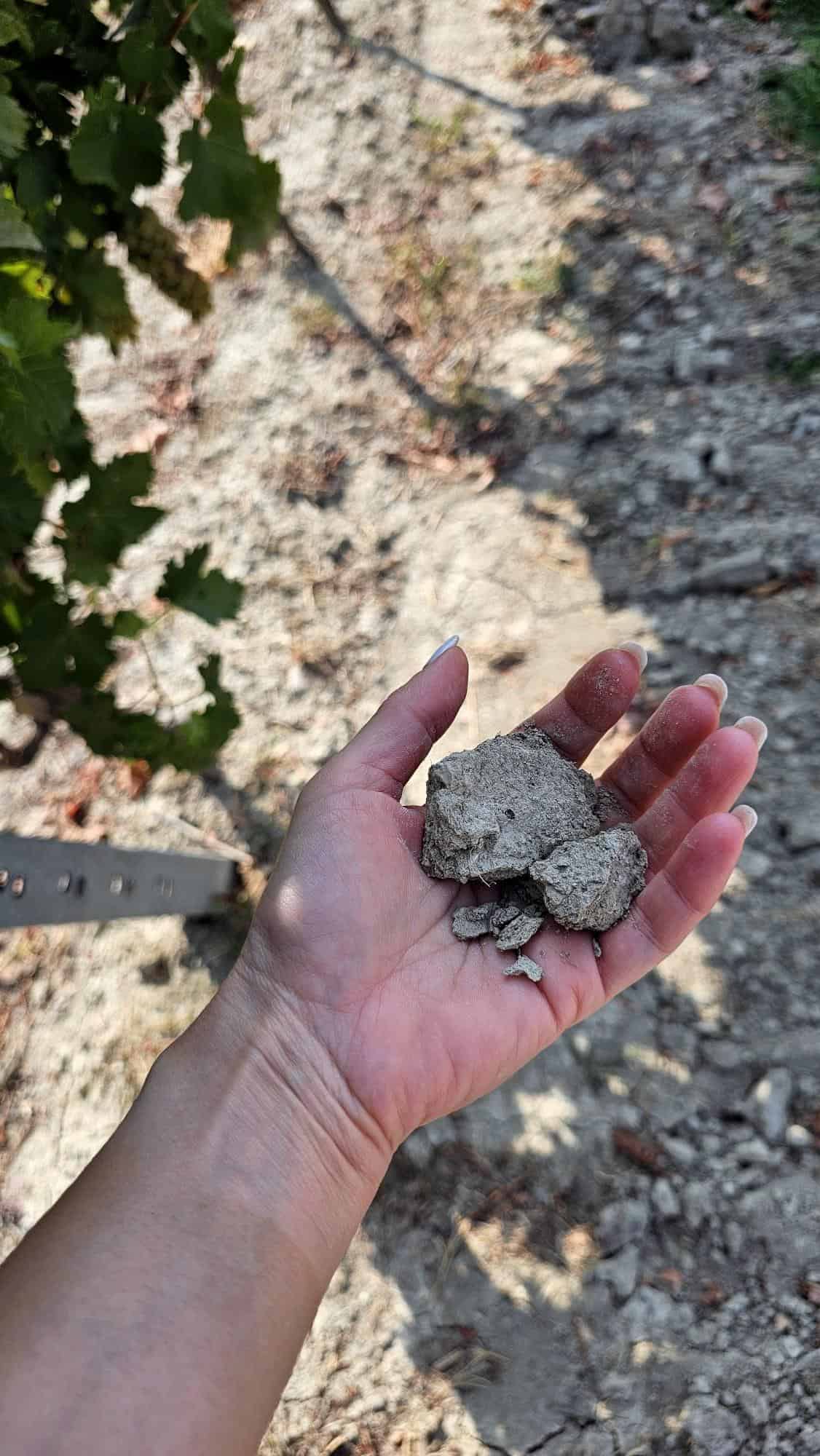


Istoric vorbind…
Ceva ce alimenta confuzia mea referitoare la reputația „vinului regilor” Barolo era practic „vechimea” acestuia pe piață. Mă așteptam să aibă un trecut glorios așa cum găsisem pe Valea Loarei, cu sute de ani de experiență și tehnici perfecționate. Însă nici pe departe.
În trecut, Barolo era un vin dulce de masă, produs într-o zonă foarte săracă care ducea lipsă nu doar de resurse dar și de expertiză viticolă.
Ca în majoritatea țărilor din Europa, după al 2-lea război mondial, lumea se concentra pe supraviețuire și în nici un caz pe experimente și perfecționarea vinurilor.
Vive la France … pentru că grație experților din Burgundia (a se observa comparația destul de frecventă cu Pinot Noir), Barolo trece printr-o metamorfoză și devine un vin rafinat cu enorm potențial de învechire.
Ce m-a surprins vizitând cramele din zonă au fost faimoasele „botti” – barrique-uri enorme (capacitate până la 10.000L) din esențe total diferite de ce știam până atunci, și anume fie lemn de castan sau stejar croat (slavon).
Intenția vinificatorilor (tradiționaliști*) era ca vinul să fie cât mai pur, nealterat de influența notelor date de barrique-uri, adică foarte puțin contact cu lemnul și dacă se poate un lemn de esență cât mai neutră.
Barolo presupune o perioadă de macerare prelungită, dar pentru o supradoză de tanin, unii producători lăsau ciorchini în butoaie pentru luni întregi 
*Tradiție vs. Modernism sau drama din spatele „Barolo Wars” – alt moment de A-ha… pentru că de abia acum înțeleg motivul conflictului.
Encore une fois: Barolo e un vin dificil de înțeles care dacă nu este produs corespunzător sau dacă e consumat mai devreme poate să pară inabordabil și extrem de auster.
Este un vin greoi.
Mă număr printre cei care din păcate au avut parte de o astfel de experiență nefericită.
Asemenea gânduri aveau și unii dintre producători din Barolo, care după câteva vizite în Bordeaux și Burgundia, se întorc prin anii ’80 cu altă viziune.
Și așa intră în peisaj barrique-urile din stejar franțuzesc, alte tehnici și perioade de maturare mai scurte pentru a da naștere unui Barolo mai plăcut și mai abordabil.
Au rezultat 2 tabere diferite, drame și discuții interminabile. Fie unii și-au ales o tabără, fie alții jonglează cu ambele metode.
Cazări și delectări gastronomice
Am ales o cazare într-o mică și cochetă pensiune agroturistică (bineînțeles  ) înconjurați de vie, undeva între Asti și Alba și la un preț foarte ok de 130€/noapte cu cel mai cel mic dejun (pozele de mai jos vă vor convinge).
De acolo cu mașina mergeam în stânga și dreapta vizitând sate, podgorii, restaurante și enoteci care mai de care.
Nota bene: fără mașină nu prea aveți cum să vă deplasați deci luați în considerare înainte de a rezerva. Și da, „cineva” iar s-a sacrificat la condus având în vedere regulile destul de stricte în Italia vis-a-vis de consumul de alcool (0.5g/L).
Am bifat așa:
- Barolo
– neapărat de început cu Enoteca Regionale del Barolo dacă vreți cu adevărat o inițiere ca la carte. Cu un sistem de dispensoare enomatice veți putea testa o varietate foarte mare cu un preț relativ mic având în vedere costurile în general piperate ale celor mai bune Barolo: 20€/pers. Se pot face chiar și degustări verticale pentru a vedea diferențele de la an la an. Orășelul medieval e foarte mic și se poate parcurge destul de rapid, aveți câteva opțiuni de restaurante însă noi am preferat să alegem restaurante din afara orașului.
- Barbaresco
– aceeași recomandare de a vă începe vizita cu Enoteca Regională din sat. Imposibil de ratat, mai micuță ca cea din Barolo însă mi s-a părut mai prietenoasă atmosfera și deși nu erau dispensoare am ales un pachet de tasting de Barbaresco DOCG de la producători diferiți. Ne-a super plăcut și vizitarea turnului medieval unde am reușit să surprindem panorame superbe ale colinelor pline de viță de vie.
- La Morra
– un pit-stop așa pe repede-înainte din păcate deoarece ne grăbeam să ajungem la o degustare, însă voiam să ne delectăm și noi privirea cu panoramele splendide de pe ineditele „băncuțe” împrăștiate prin orășelul aflat în patrimoniul Unesco și la una dintre cele mai înalte elevații din regiunea Barolo.
- Alba
– păstrăm cea mai frumoasă descoperire pentru final. Nu îl comparăm cu alte orașe medievale deși centrul istoric și străduțele mici și pietruite au mult farmec, însă am înțeles motivul pentru care Alba e văzută ca și capitala „Slow Food” (de aici a pornit mișcarea) și de ce a fost numit oraș al gastronomiei creative în 2017 de UN. Aici am descoperit cele mai surprinzătoare vinuri – la care încă mai visez  ️- și de departe cele mai bune paste și deserturi mâncate vreodată în Italia.
Pot numi Alba ca „hidden gem” pentru că nici măcar nu era inclus în traseul inițial însă nu doar că am rămas absolut fascinați dar merită încă un drum special până acolo.
Intră în istorie festinul luat la Enoteca Petricore unde am gustat cei mai crocanți grissini, aperitive cu celebrele lor trufe locale  , paste Piemonte style și anume agnolotti, deserturi pe bază de „nocciole” / alune de pădure (în cazul în care nu știați, Grupul Ferrero Rocher este originar din Alba
  ) iar la capitolul vinuri, am mers pe alb + local. Și ce bine am făcut.
Enter Arneis.
Un vin de care nu auzisem până atunci însă care ne-a convertit pe loc.
I se mai spune „white nebbiolo” și era aproape de extincție însă în anii ’70 e salvat de producătorii locali iar acum se bucură de o revenire spectaculoasă.
Vă atrage pe loc cu mireasma de miere (eu am simțit fagure în mod special) flori albe, măr golden, coajă de lămâie și migdale. E un vin aromatic atât de plăcut iar alegerea noastră a fost un Arneis din zona Roero de la Azienda Agricola Giuseppe Gallino (10/10).
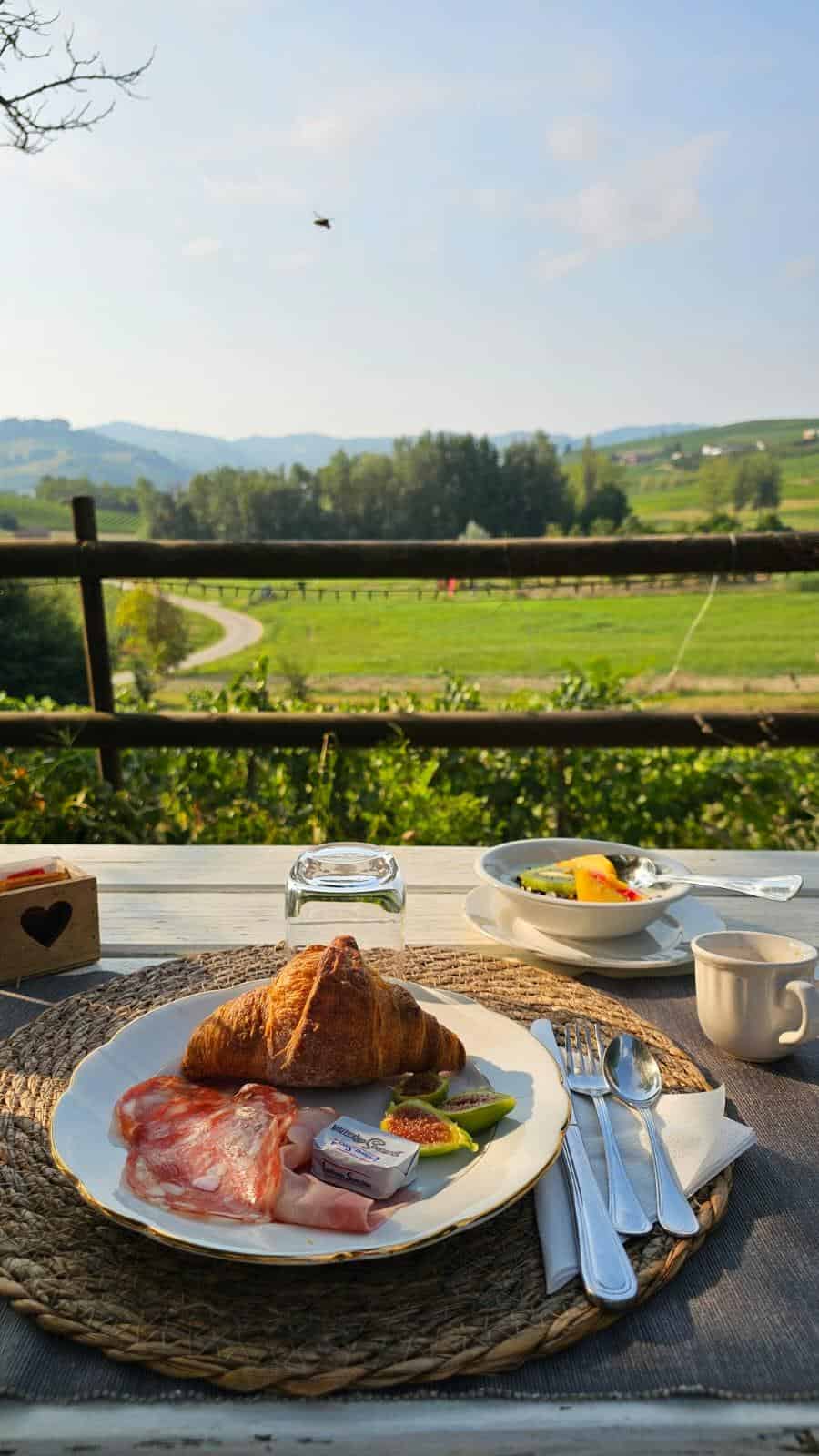


Degustări
Constat că Piemonte se aseamănă și la capitolul turism și degustări cu Franța, mai exact cu regiunea Burgundia. Degustările „spontane” nu sunt posibile oriunde și oricând, programul diferă destul de mult iar limba italiană domină.
După multă muncă de documentare și încercări de a rezerva anumite crame cu câteva săptămâni în avans, am reușit să obțin o rezervare la una dintre cele mai renumite, și anume: FontanaFredda (FF). Deși podgorie e puțin spus. E un domeniu impresionant care cuprinde nu doar crama cât și un hotel de tip boutique, spa și un restaurant cu 1☆Michelin.
Ajunși cu 10 min mai devreme, observăm deja un alt nivel de ospitalitate: parcări pentru autocare, stații electrice de încărcare și închirieri de ebike, piscină, winebar etc.
Locația era imensă: aflăm că pe lângă cele 122 ha de viță de vie, 9ha erau doar domeniul în sine.
Așteptăm cuminți împreună cu alte 4 cupluri ghidul care, foarte punctual, venise să ne întâmpine și să ne facă turul cramei.
Alegerea FF a fost una premeditată deoarece știam că este una dintre cele mai mari și longevive domenii viticole din Piemonte, responsabilă pentru faima internațională a Barolo.
Cu un trecut realmente regal, FF ia naștere în 1858 când regele Italiei de la acel moment – Vittorio Emanuele II – cumpără domeniul pentru dragostea vieții sale, o domnișoară de 14 ani (alte vremuri) numită Rosa Vercellana.
Fiul celor doi, care ulterior se și căsătoresc, Emanuele Alberto, e cel care se ocupă cu adevărat de proprietate și o transformă în podgorie comercială. Tot el este cel care vinde pentru prima dată Barolo în afara țării și de aici faima internațională.
Urmează vremuri grele, phylloxera, războaie, etc iar FF trece prin mai mulți proprietari până când ajunge în portofoliul celebrului om de afaceri care deține lanțul de restaurante Eataly (Oscar Farinetti – originar tot din Piemonte).
Vă povesteam mai sus de „războaiele Barolo” și că toți producătorii și-au ales o tabără. Ei bine, FF alege inițial tabăra conservatoare, fiind fideli păstrării caracterului unic al Barolo, și asta încă se vede și în cramă prin prezența acelor „botti„.
Însă ce am aflat ulterior de la ghid, a fost că noul proprietar își dorește o „renaștere” și mai mult focus pe sustenabilitate și comunitate, iar acum se experimentează mai mult din punct de vedere metode și procese de vinificație (vedem vase de argilă, barrique franțuzesc etc) dar totuși fideli terroir-ului local.
După turul cramei, ni se prezintă „orășelul” FF care are proprii locuitori, o biserică și chiar locuințe private ale celor care bineînțeles și muncesc pe domeniu (a se observa dungile galben portocalii caracteristice FF, prezente atat pe cladiri cat si pe etichetele sticlelor).
Spre final, ajungem în sala de degustare și deși alesesem pachetul de bază de degustare (35€/pers 3 vinuri) primisem un pahar bonus pentru a descoperi și celelalte sortimente ale domeniului, nu doar Barolo.
Am fost surprinși să aflăm că la FF se produce inclusiv vin spumant – și unul chiar foarte reușit, conform metodei Alta Langa Classico (tot tradițional) precum și vinuri albe de tip Arneis, Gavi, Moscato d’Asti.


 ; toți știm că gusturile sunt subiective (în special la vinuri) iar în cazul Barolo e foarte posibil să fi fost noi și mai nenorocoși (sau încă needucați) și să fi prins niște sortimente mai „tinere”, dar nu aș putea spune că am plecat îndrăgostiți de Barolo sau Barbaresco. Nouă ne e încă mintea la Dolcetto și mai ales la Arneis ️
Masă ★★★★☆ a ieșit o medie, bineînțeles că nu peste tot a fost de 5 dar nu a fost nimic să nu ne placă.
Am reveni: ieri (și în română și în italiană )
Ciao!

Călătoria nu se oprește aici…
 Călătoria nu se oprește aici…
